For founders and product teams building connected devices
IoT app and cloud development for your device, built by the team that builds the hardware
We build the companion mobile app and the cloud backend for your connected product: pairing and setup, controls and data screens, user accounts, dashboards and safe over-the-air updates. The same team designs the device and its firmware, so the app, the cloud and the hardware agree on every reading and are tested together before launch.
NDA before you share anythingFixed price for each stage
- NDA from first contact
- Device, app and cloud in-house
- 200+ products built
- US company in Toledo, Ohio
The short answer
What is IoT app and cloud development?
IoT app and cloud development builds the software around a connected device: the mobile app people use to pair, set up and control it, and the cloud that stores its data, runs accounts and sends firmware updates. One team builds it alongside the device.
App
Pairing, setup, controls and data people want to see.
Cloud
Data, accounts, dashboards and update delivery.
Trust
Device identity, encryption and safe updates.
Our own work
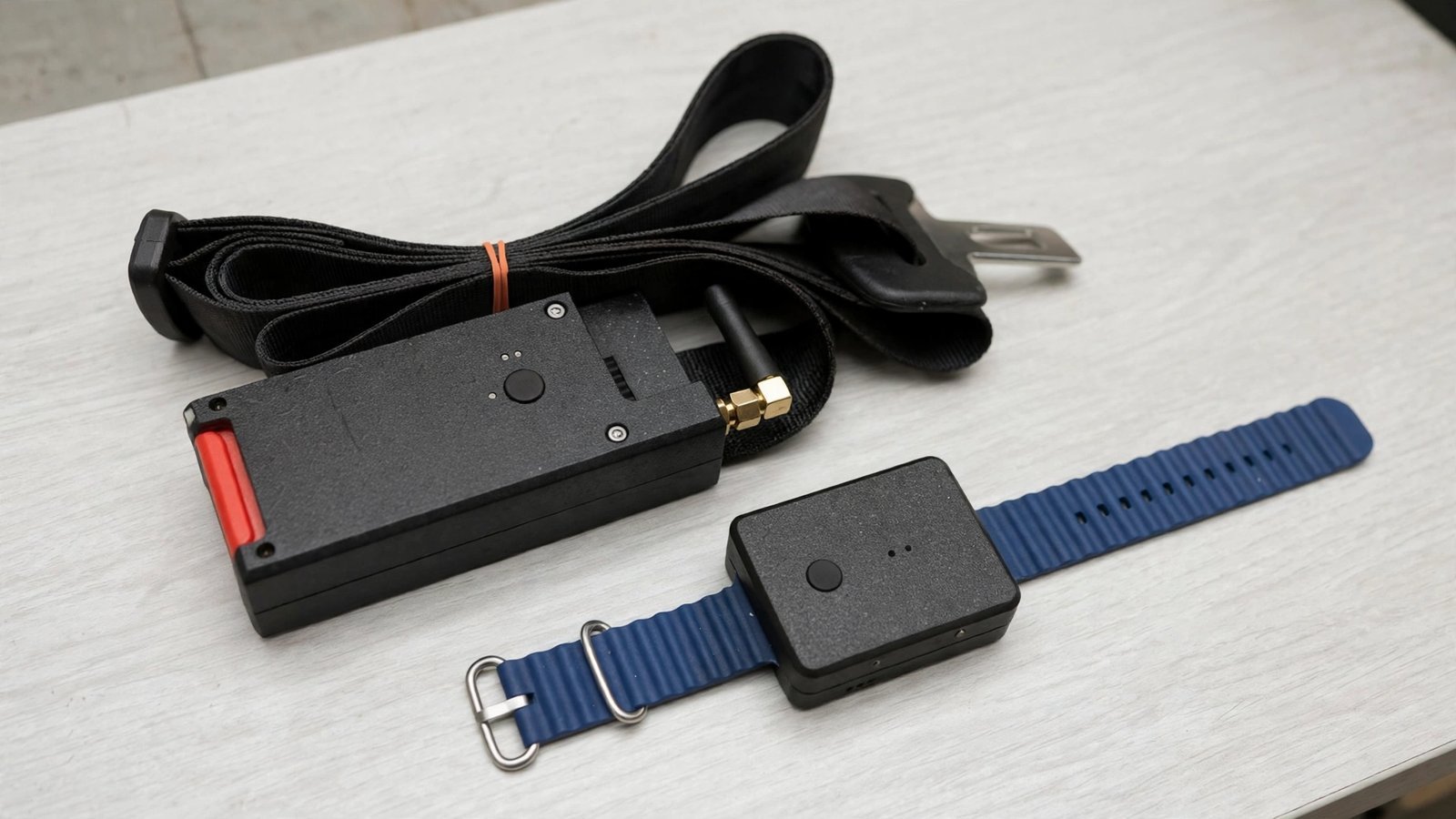
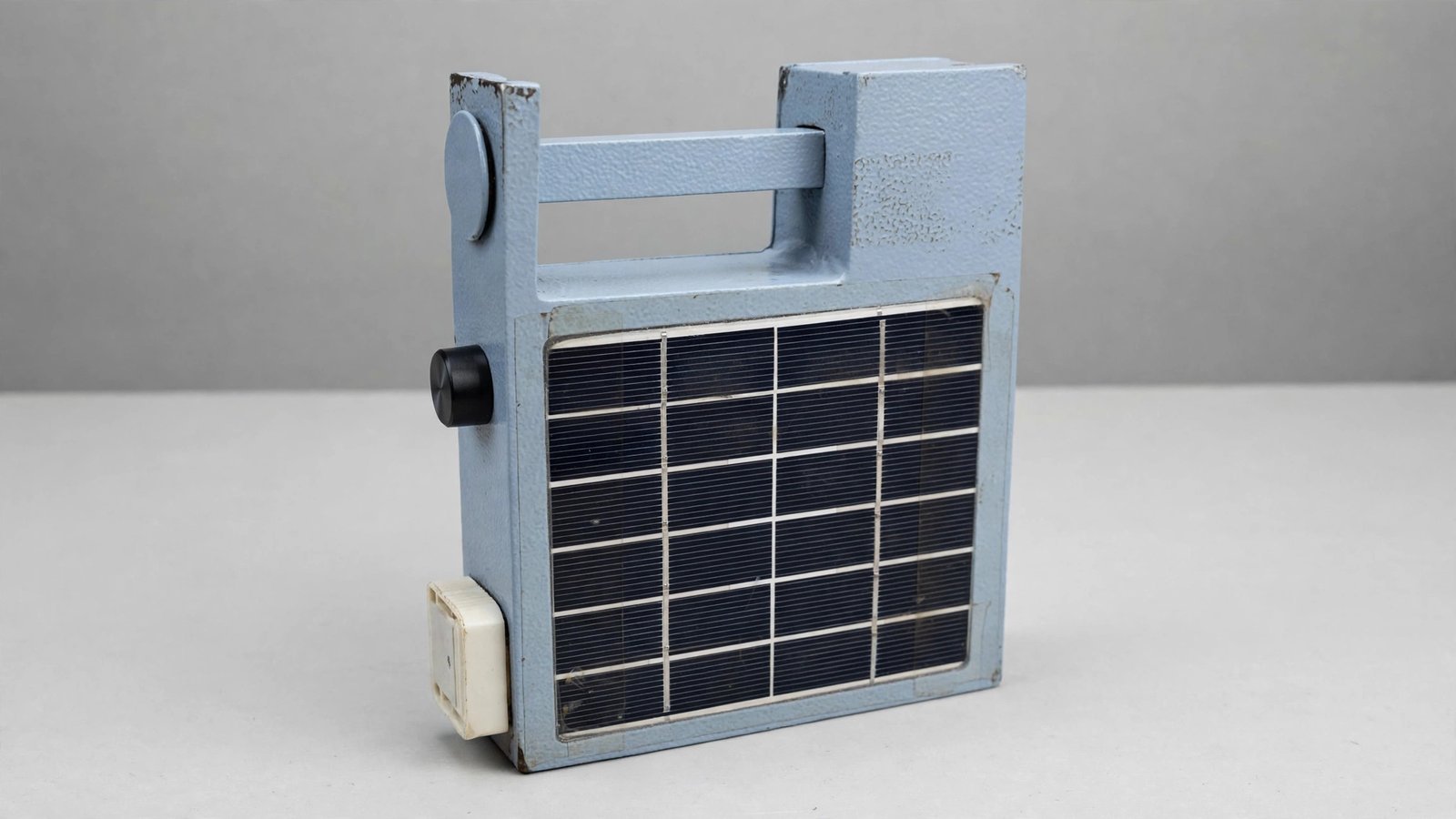
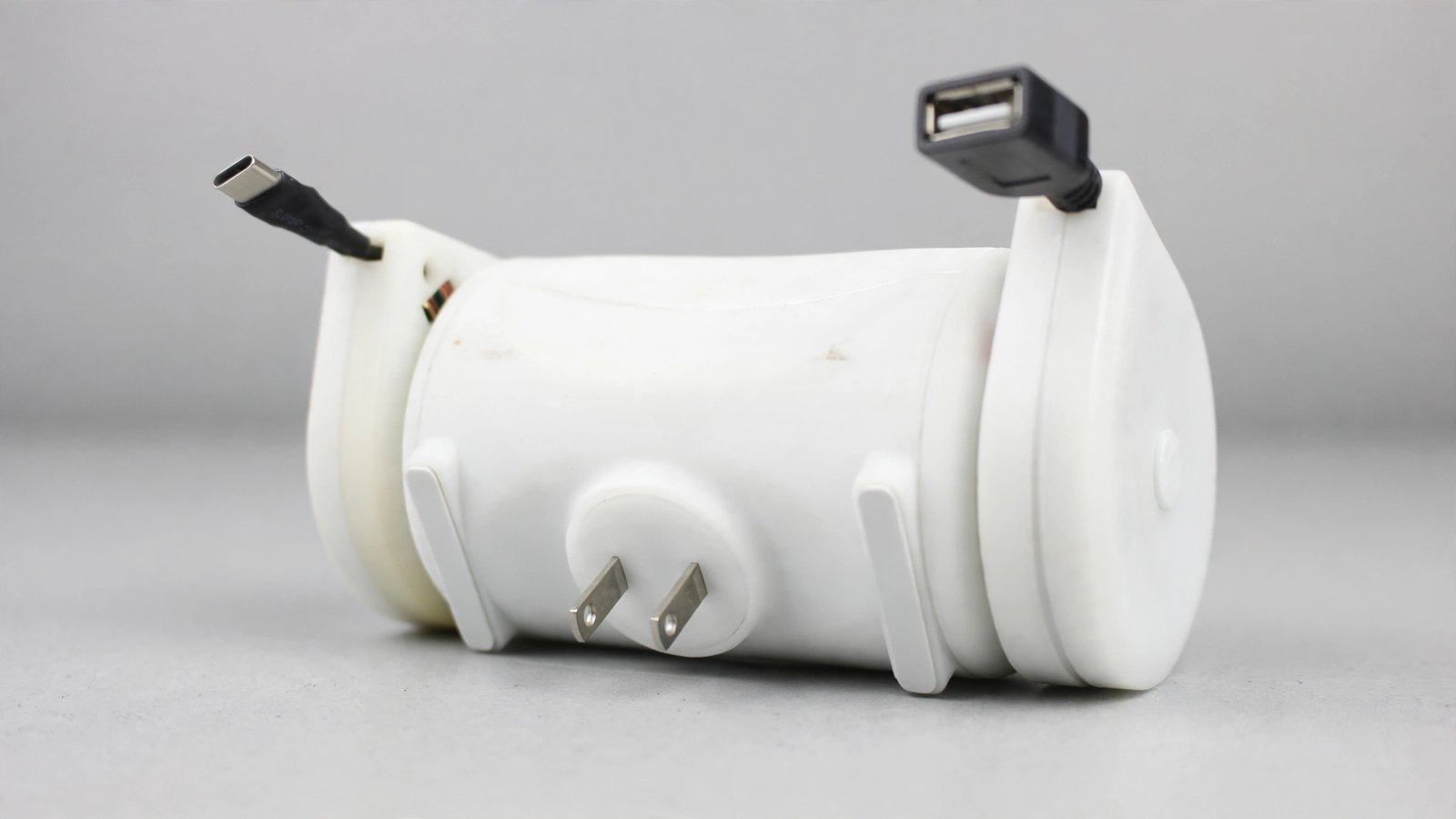
Connected products with apps and dashboards
Devices we have built with phone apps, alerts and live data. Every project is led by Mohsin Aslam, our founder and an electrical engineer building hardware since 2013.

What clients say
Their team delivered top-notch electronic product development expertise, exceeding my expectations.
they always deliver what is expected and work with me on smoothing out any details.
What we build
The software layers around a connected device
Each layer is built against the same data model as the firmware, so nothing is lost in translation between vendors.
Companion mobile app
iOS and Android apps for pairing, setup, controls and the data people want to see.
Pairing and setup
A first-time setup that works on real phones and home networks, not just the developer’s.
Cloud backend
Device data storage, user accounts and the APIs the app and dashboard run on.
Dashboards
Admin and customer dashboards, from a single device’s history to a whole fleet.
Over-the-air updates
Firmware updates that verify before they switch and roll back safely if anything fails.
Security and privacy
Unique device identity, encrypted links and data minimization, planned from the first schematic.
Under the app
Proven building blocks, chosen for reliability and running cost
Good IoT app development services start below the app. These choices decide how reliable your product feels and what it costs you to run each month.
Bluetooth LE pairing
BLE GATT services make phone pairing quick and predictable on real phones.
MQTT messaging
MQTT or HTTPS carries the device’s data, with MQTT keeping data and battery use low on devices that report often.
Managed cloud backend
AWS IoT Core or Azure IoT Hub, so you are not paying to build and run servers from scratch.
Secure boot and OTA
Provisioning and secure boot give every unit a trusted identity; over-the-air (OTA) updates roll back automatically if one fails.
Integration
Where connected products usually break, and how we test for it
Each part can pass its own tests and the product can still fail at home. We test these points with device, app and cloud running together.
Pairing and setup
Tested on real phones and real home networks before launch.
One data model
Device, app and cloud agree on what each reading means, its units and how often it is sent.
Offline behavior
What the product still does when Wi-Fi or signal drops, and how it catches up afterwards.
Safe updates
Updates that verify before they switch, and roll back if anything fails.
Choosing the radio first? Read Wi-Fi vs Bluetooth vs LoRa for IoT products.
How we work
Six stages, each approved before the next
Our engineers review every stage internally, then you approve it before we move on.
Stage 01 of 06
Feasibility
We check the product can work as intended, including range, battery life and what must run on the device versus the cloud.
Stage 02 of 06
Requirements and data model
You approve the app screens, cloud scope, deliverables and the shared data model the firmware will use.
Stage 03 of 06
Device prototype
Board, firmware and enclosure for a working device, tested on the bench.
Stage 04 of 06
App and cloud
The companion app and backend built against the same data model as the firmware.
Stage 05 of 06
Integration testing
The whole system tested together: pairing, data flow, updates and offline behavior.
Stage 06 of 06
Launch preparation
Certification preparation for the device and the production package for your manufacturer.
Want each stage explained in depth? Read the IoT product development process.
What you receive
Software that ships with the hardware, not after it
Under the agreed scope you receive the working apps, the backend, documentation of the data model and APIs, and test results from the whole system running together.
- AppsiOS and Android app builds under the agreed scope
- BackendCloud services, dashboards and update delivery
- DocumentationData model, APIs and system test results
Your budget
What drives the cost of the software
- App platformsiOS, Android or both, and how much the app does
- Cloud scopeFrom simple data logging to user accounts, dashboards and fleet updates
- Number of radiosBluetooth alone is simpler than Bluetooth plus Wi-Fi or cellular
- Security rulesWhich markets you sell in and what their security laws require
- Pricing modelFixed price for a clearly defined scope after feasibility
For a first rough figure for the whole product, try the hardware cost and timeline estimator.
From our own projects
Typical time for a connected product
- First prototypeAbout 4 months for a typical product; 6 to 7 months for complex ones
- Mass-production stageAround 7 months; 10 months to a year for complex products
- App and cloudBuilt in parallel with the device, against the same data model
- Out of scopeQuoted separately before any work starts
Timelines are typical planning ranges for the whole product, not the time to a first saleable unit. Read what an IoT product costs to develop.
Choosing a team
Two vendors or one IoT product team?
Many connected products are split between a hardware firm and a separate app agency. Here is what changes when one team owns all of it.
| Compare | Hardware firm plus app agency | One IoT product team |
|---|---|---|
| Who builds what | A hardware firm builds the device; a separate agency builds the app and cloud | One team builds device, firmware, app and cloud |
| Data format | Agreed between two vendors, often late | Defined once and shared by firmware, app and backend |
| When problems surface | Often at integration, when each side says its part works | In joint testing from the first working prototype |
| Who you call | Two or more vendors | One project lead, with your approval at each stage |
Industries
Industries we build for
Connected products we have built, by industry.
FAQ
IoT app and cloud questions founders ask us
Do you build the mobile app and the cloud backend in-house?
Yes. Our team builds the companion app and the cloud backend alongside the device and its firmware, so all three use the same data model and are tested together.
Can you build an app for a device that already exists?
Yes. If the device and firmware already work, we document how it talks (Bluetooth, Wi-Fi or cellular, and the data it sends), then build the app and backend against that. If the firmware needs changes to support pairing, updates or security, we quote those separately.
iOS, Android or both?
It depends on your buyers and budget. Many hardware products need both, because customers cannot choose which phone they own. App platforms and how much the app does are among the biggest drivers of cost, so we settle this in feasibility.
How do over-the-air firmware updates work?
The cloud sends a new firmware image, the device checks that it is genuine and complete before switching to it, and rolls back to the previous version if anything fails. We design that path from the start, because it is hard to add once devices are in customers’ homes.
How do you handle IoT security?
We plan unique device identity, encrypted communication, safe over-the-air updates and data minimization from the start, because these choices are built into the hardware, firmware and backend together. Connected products now face security law such as the EU Cyber Resilience Act.
What does a cloud backend for a device include?
Device data storage, user accounts, admin dashboards and the service that sends firmware updates, scaled to what the product needs: from simple data logging to fleet-wide updates.
How much does IoT app development cost?
It depends on the app platforms, how much the app does, the cloud scope and how many radios the device uses. We quote a fixed price for a clearly defined scope after feasibility. For a first rough figure, try our hardware cost and timeline estimator.
Why not hire a separate app agency?
You can, but then a hardware firm and an agency agree the data format between them, often late, and problems tend to surface at integration when each side says its part works. With one team the data model is defined once and tested together from the first working prototype.
Related guides
Guides to connected products
First product?
Free consultation and roadmap guidance for first-time founders.
Talk your first product idea through with our engineers before you spend on design. Book your free consultation or send us your idea.