Industries · Automotive
Automotive and vehicle accessory product development
Truck lights, smart locks, fleet trackers and in-car chargers live with vibration, heat, road dust and a noisy 12 V or 24 V supply. We take vehicle accessories from idea to factory: industrial design, electronics and firmware built for vehicle power, prototypes tested on the vehicle, certification for each market, and manufacturing with our partner factories in China and Pakistan.
NDA before you share anythingFixed price for each stage
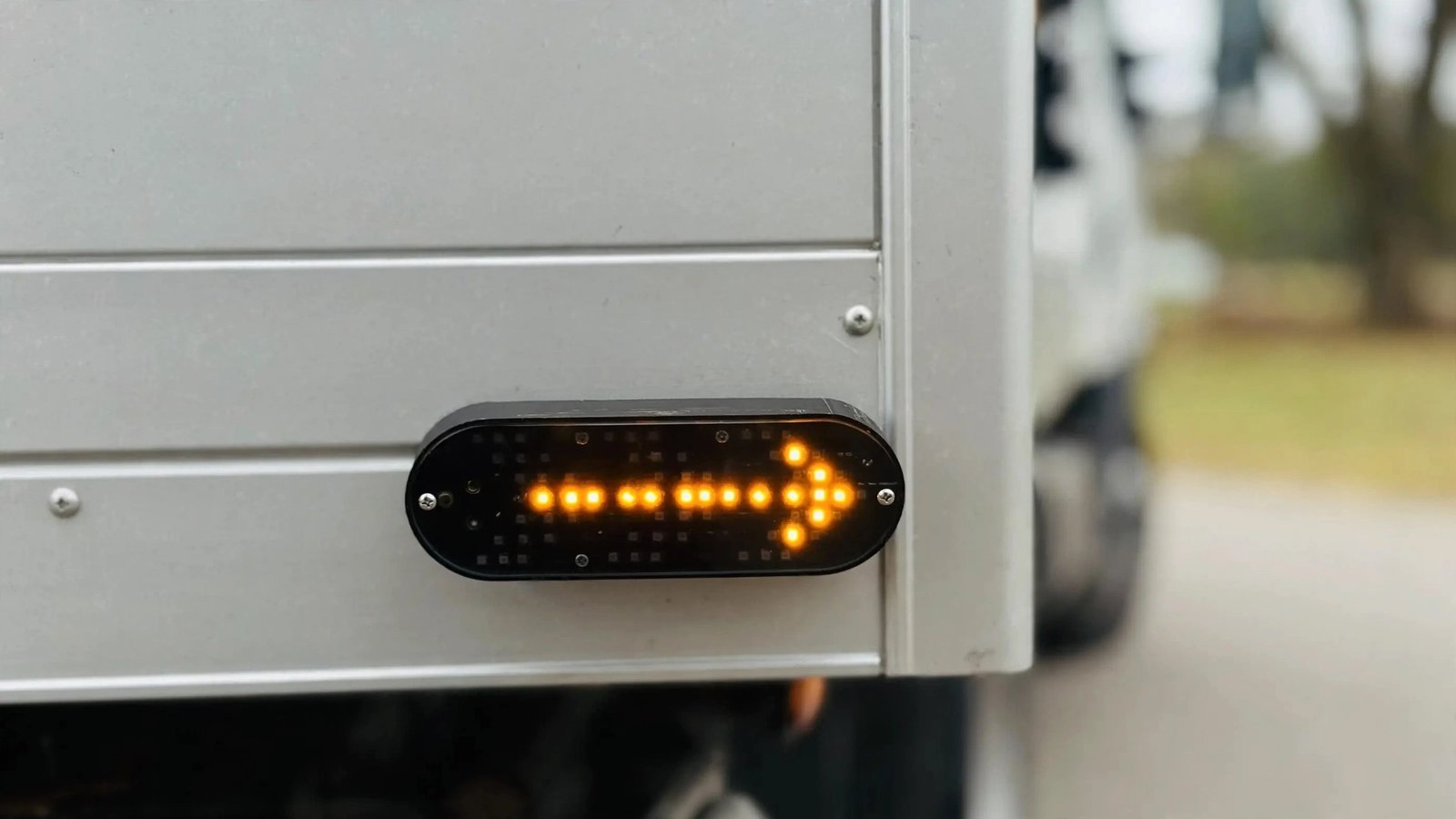
Truck indicator light we designed, fitted to a truck
- 200+ products built
- 12+ years in hardware
- 30+ industries served
- NDA before you share
The short answer
What is automotive product development?
Automotive product development turns a vehicle accessory idea into a product drivers and fleets can buy: electronics that survive vibration, heat and voltage spikes, a housing sealed against water and road dust, the radio and EMC approvals each market needs, and a price the aftermarket will pay.
Where vehicle products go wrong
Four ways automotive projects stall
Cranking dips and load-dump spikes kill boards designed for USB power.
We design the power input for 12 V and 24 V transients from the start.
Protected power inputEngine and road vibration crack solder joints and loosen connectors.
We choose parts, mounts and connectors for vibration, then test them.
Vibration-tested buildRain, pressure washers and road dust get into unsealed housings.
We design seals and cable glands to a target IP rating, such as IP67.
IP-rated design targetLights and anything wired to the vehicle must meet road and EMC rules.
We plan FMVSS 108, E-mark or EMC tests before the design is locked.
Road-legal test planOur own work
Automotive projects we have built
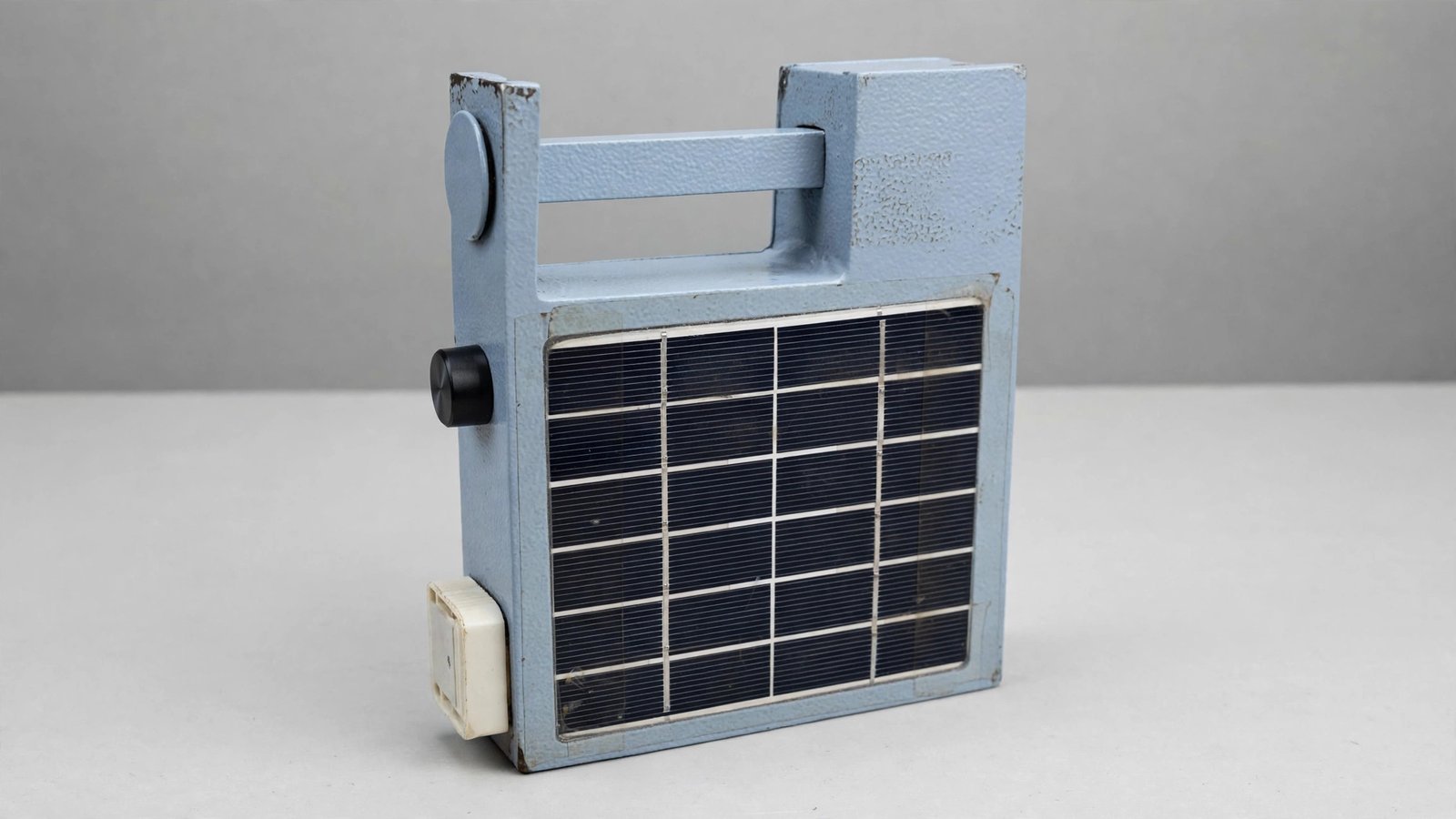
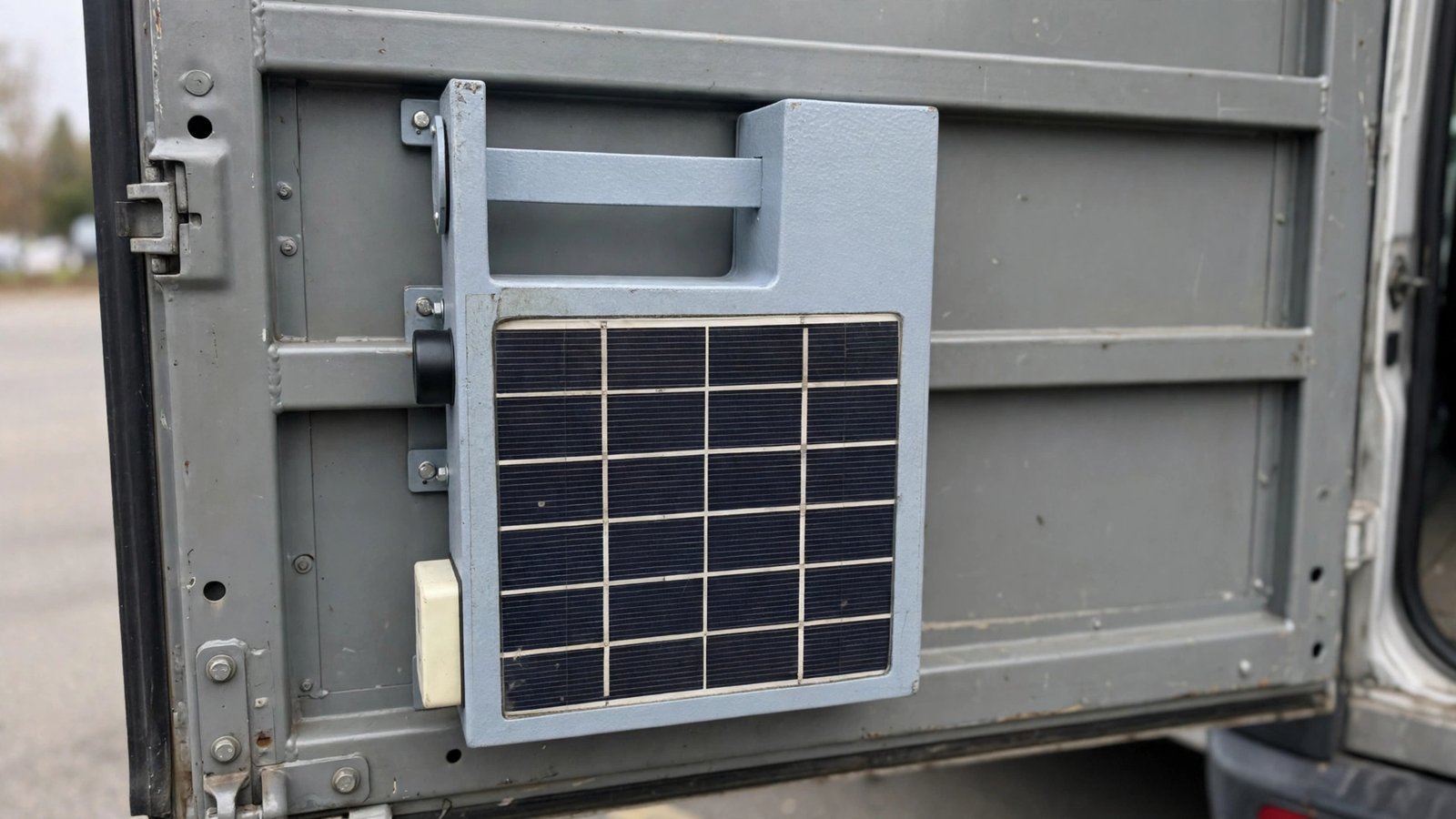
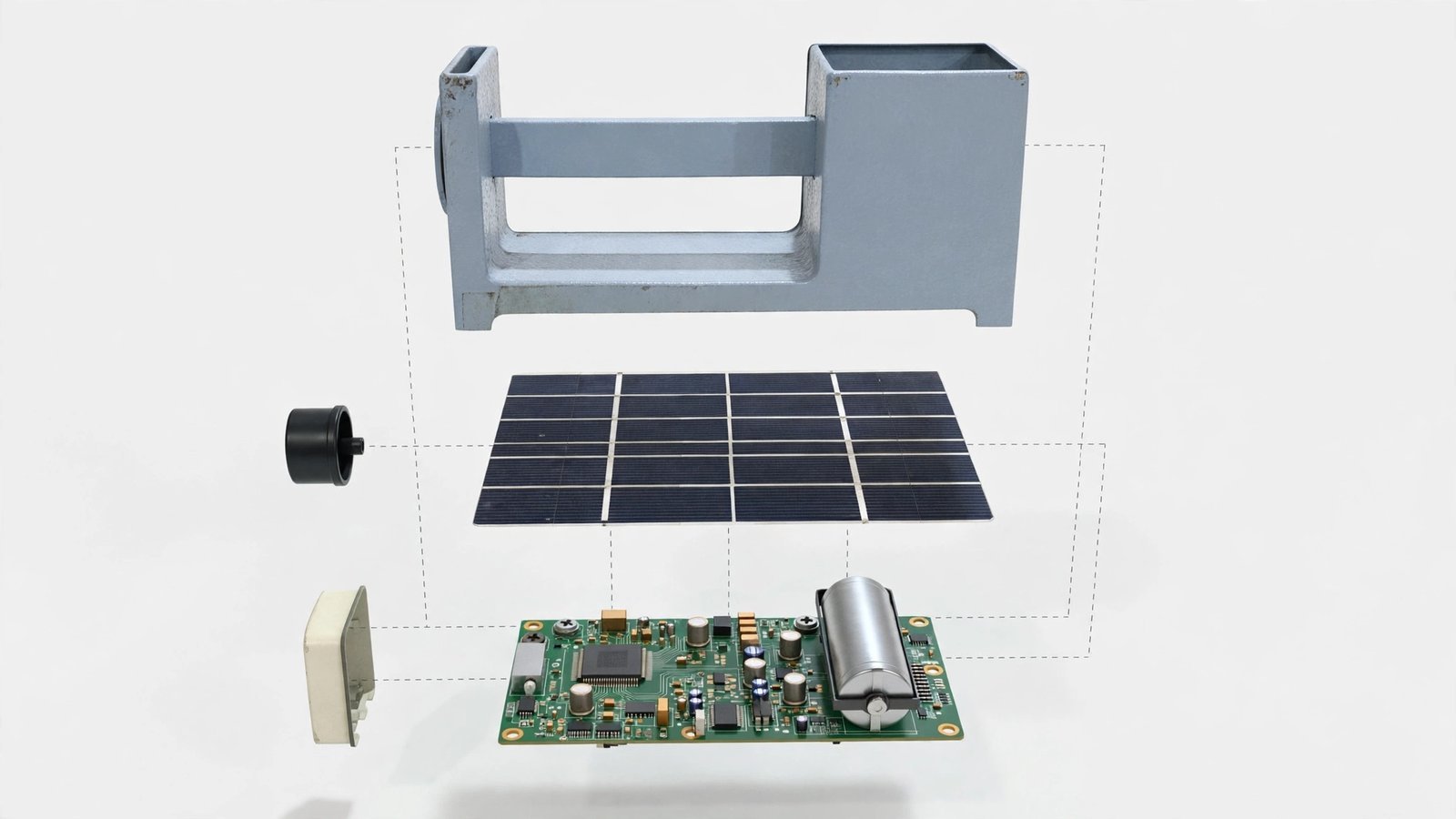
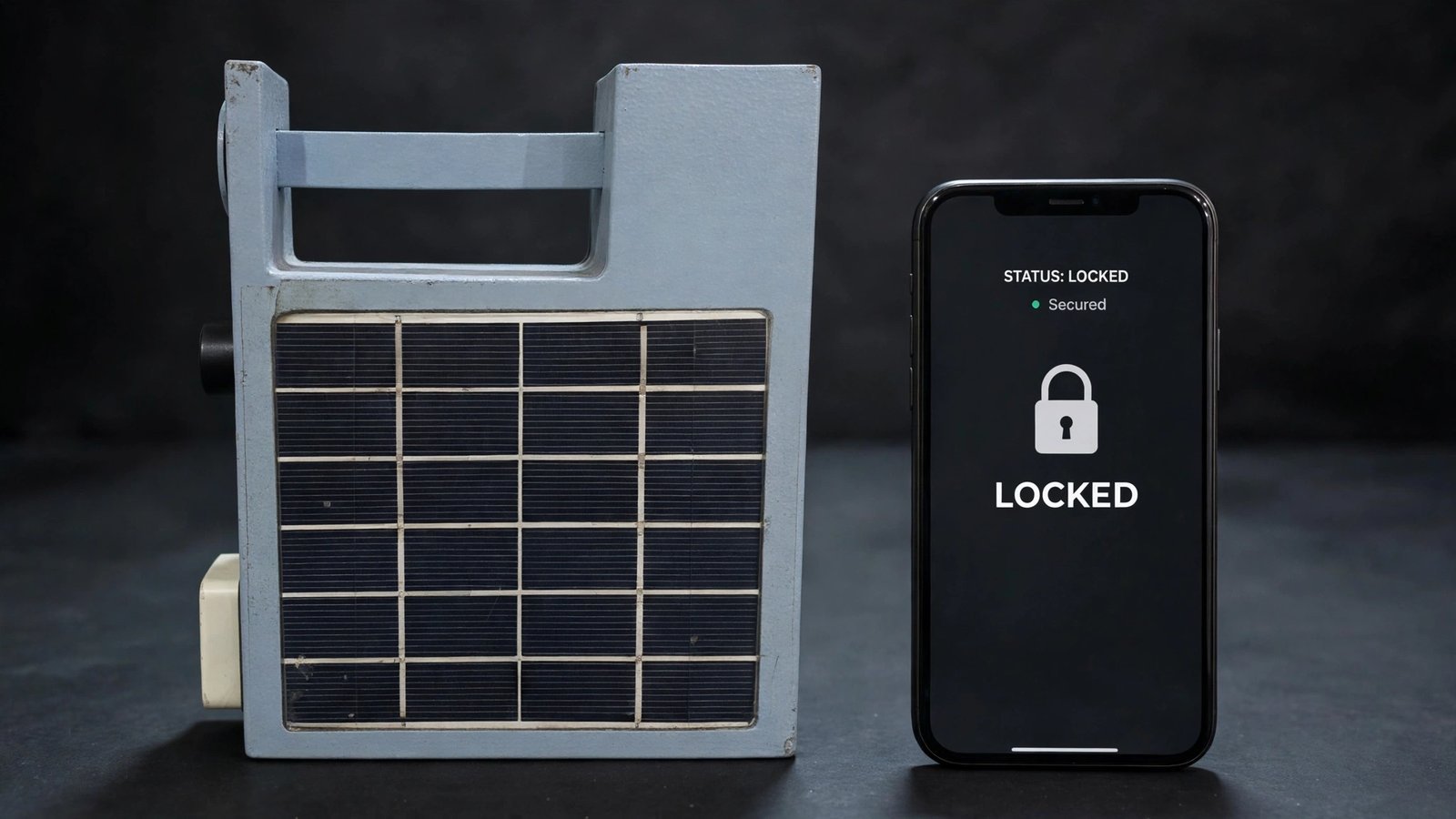
Truck lock Case study
A smart cargo-door lock for trucks, controlled from a phone app, that also tracks the shipment.
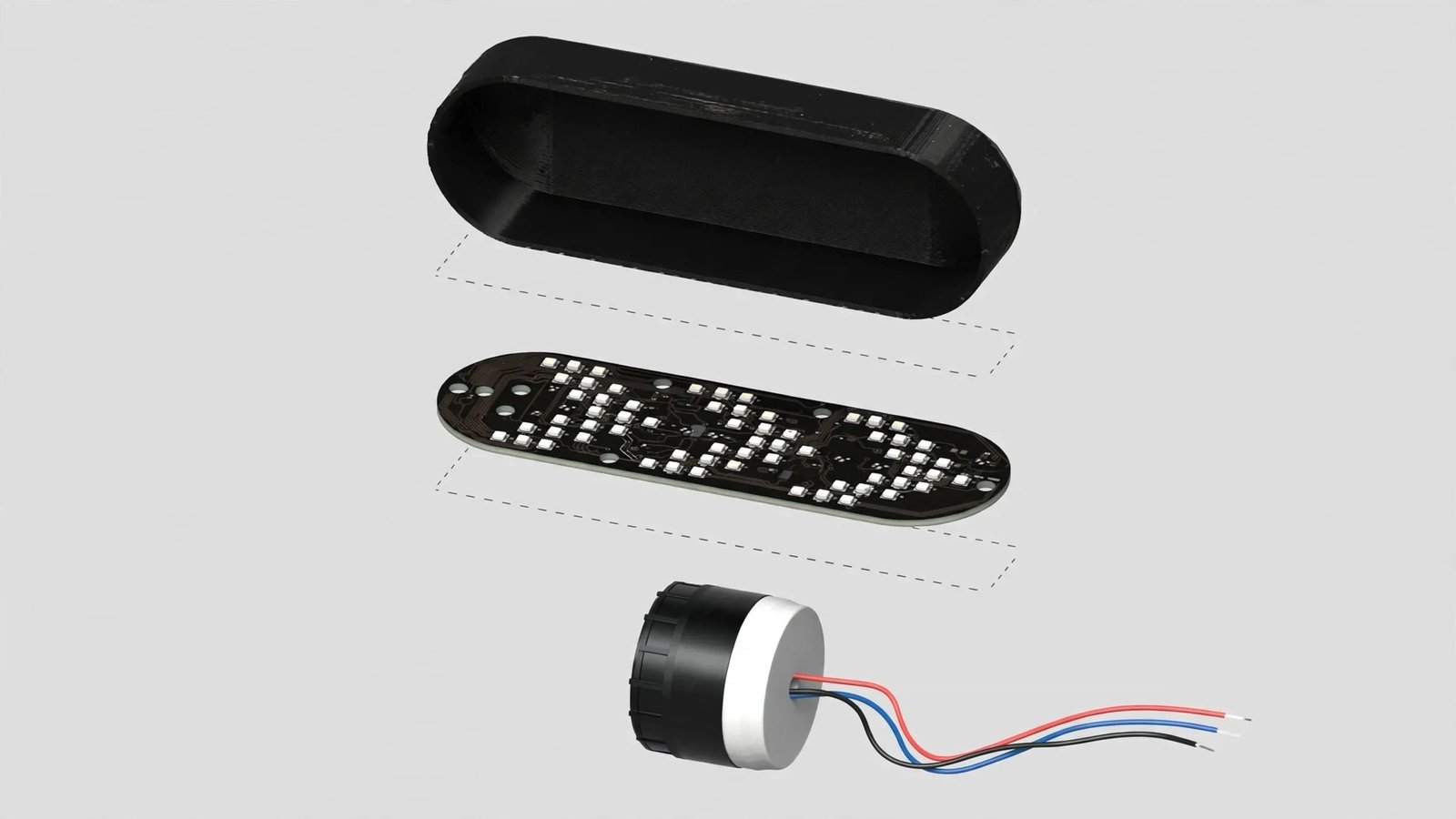
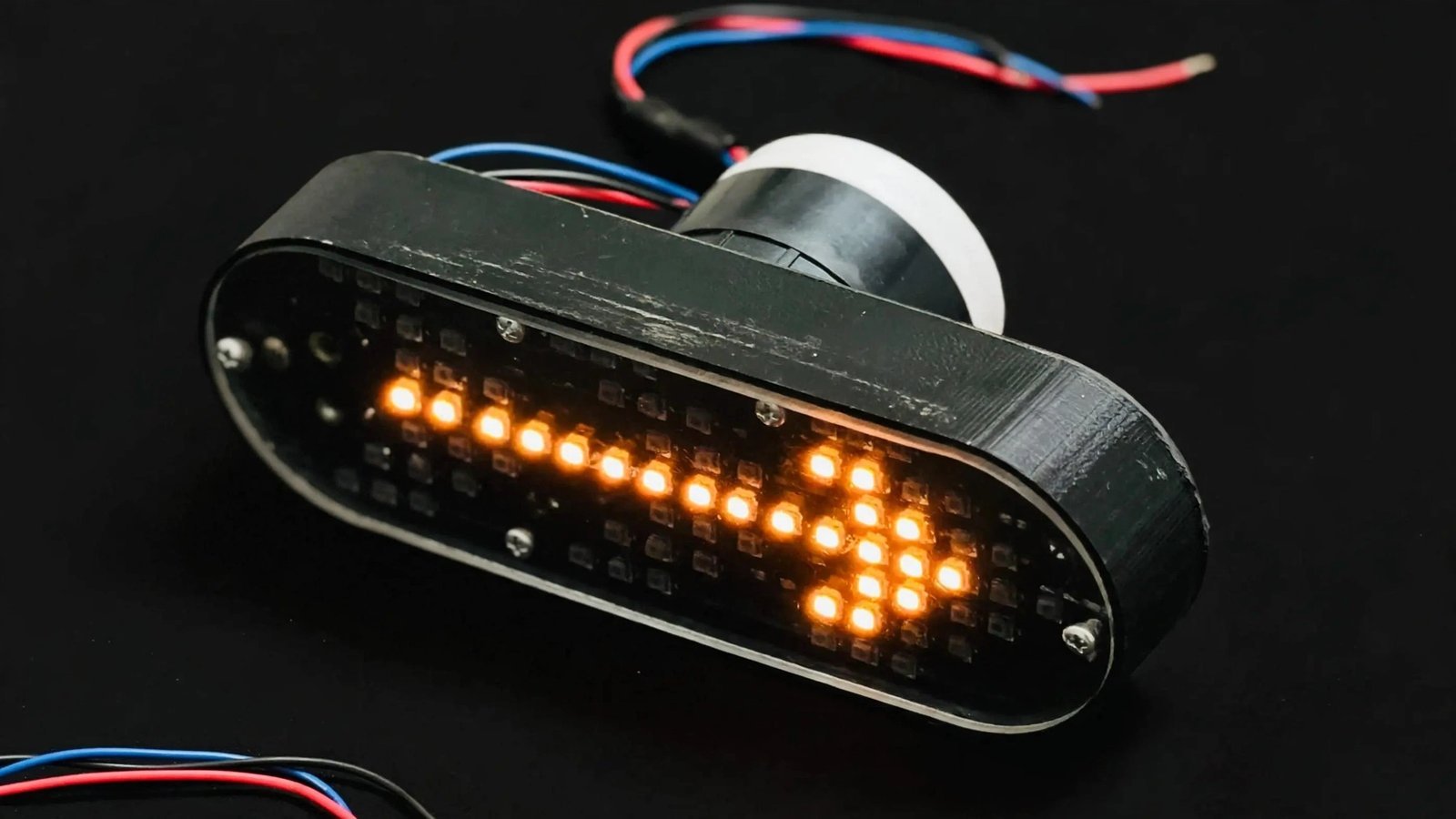
Truck light Case study
An indicator light for trucks with an LED dot-matrix face in a sealed oval housing.
More of our work is under NDA, so we show what we built, not who for.
What clients say
Just what was promised – product was of good quality and delivered on time
Their team delivered top-notch electronic product development expertise, exceeding my expectations.
Product types
Vehicle products we engineer
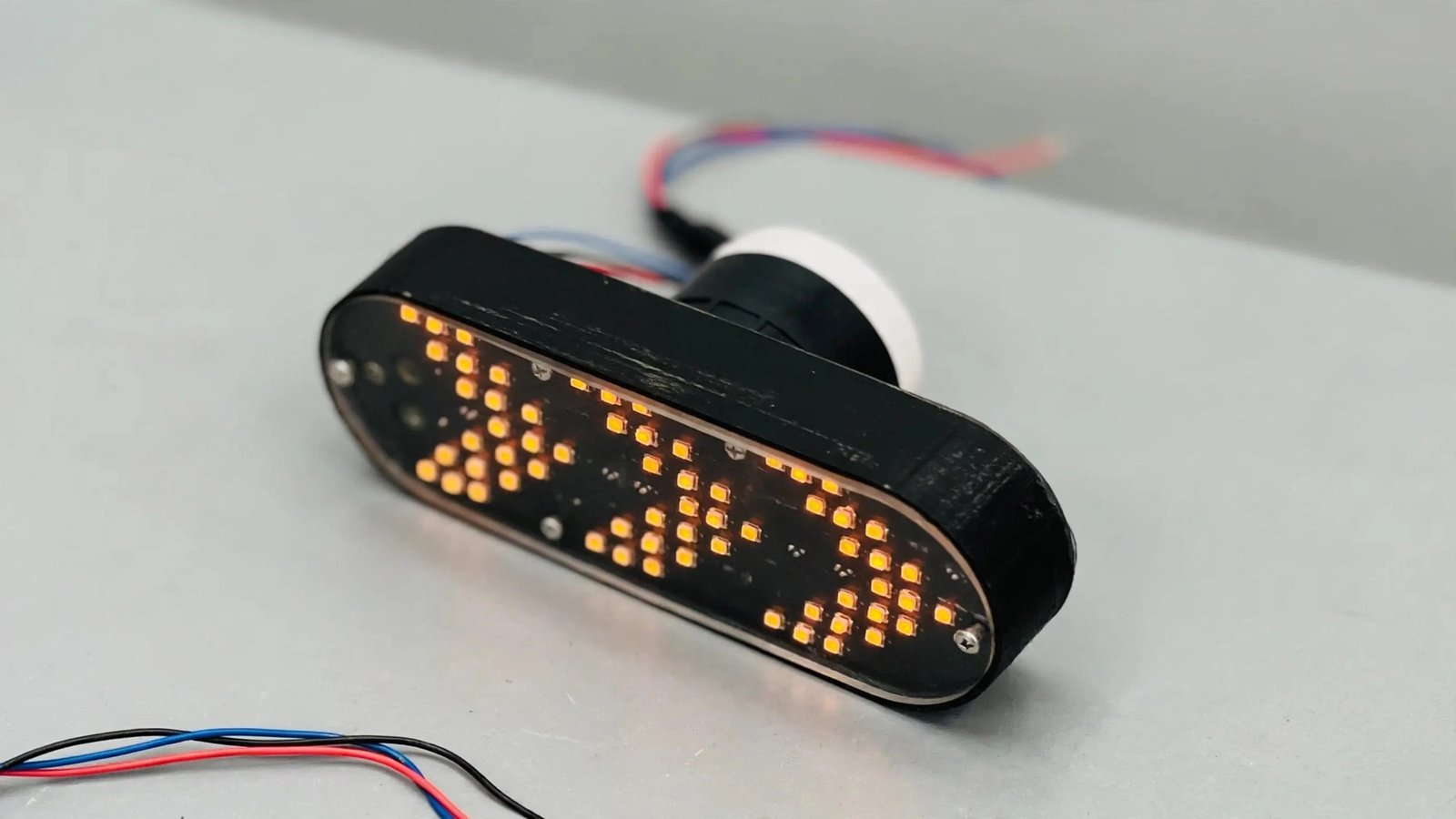
Photos from our own projects · pick a kind of product above
Lighting
Vehicle lighting
Proven on
Truck light
What matters most
Bright, even light, heat kept away from the LEDs, and a housing that stays sealed.
Standards that apply
FMVSS 108, ISO 7637-2, IP67, E-mark
Locks
Locks and security
Proven on
Truck lock
What matters most
A lock that works in cold and rain, a battery that lasts, and access the owner controls.
Standards that apply
FCC Part 15C, CE (RED), IP rating, UN 38.3
Tracking
Fleet and asset tracking
Proven on
Truck lock with shipment tracking
What matters most
Accurate location, low data cost and a battery that lasts between charges.
Standards that apply
FCC ID, PTCRB / GCF, UN 38.3, E-mark
See GPS tracker developmentPower
Vehicle power electronics
Proven on
Truck light and truck lock boards
What matters most
Boards that run from a noisy 12 V or 24 V supply and survive cranking dips and load-dump spikes.
Standards that apply
ISO 7637-2, ISO 16750, E-mark (UN ECE R10)
Apps
Companion apps
Proven on
Truck lock app
What matters most
Pairing that just works, secure access control and updates over the air.
Standards that apply
FCC / CE, app store rules, data security
Certification
The standards vehicle products must meet
FCC and CE radio and EMC rules
What it covers
Radio and interference limits for devices sold in the US, EU and UK.
What you get
We design and pre-scan, then manage the accredited lab.
E-mark (UN ECE Regulation 10)
What it covers
EMC approval for electronics fitted to vehicles sold in Europe.
What you get
We plan the tests and choose a lab that can issue the E-mark.
Vehicle power (ISO 7637-2, ISO 16750)
What it covers
Voltage spikes, cranking dips, heat, cold and vibration in a vehicle.
What you get
We design the power input and test against the profiles that apply.
IP rating (IEC 60529)
What it covers
Protection against water and road dust getting inside.
What you get
We design seals and glands to a target rating, such as IP67.
FMVSS 108 vehicle lighting
What it covers
US rules for lamps and reflective devices on road vehicles.
What you get
We design the optics and book photometric tests before tooling.
UN 38.3 battery tests
What it covers
Lithium battery transport tests before shipping.
What you get
We pick certified cells and book the tests early.
PTCRB and GCF approval
What it covers
Cellular device approval that carriers ask for.
What you get
We choose certified modules and plan carrier tests.
Accredited labs test and certify. We design to pass and pre-test, so the paid test is a formality, not a gamble.
How it runs
From idea to first production run
- 01FeasibilityTarget cost, vehicle voltage, parts and certification plan, with a fixed quote.
- 02Prototype (EVT)Working samples, proven on the bench and on the vehicle.
- 03Test and certify (DVT)Vibration, water, power-spike, EMC and lighting tests.
- 04Production (PVT)A pilot run of lights or locks, then volume production.
Services involved
The teams behind every vehicle product
Related guides
Guides for automotive product founders
FAQ
Automotive product questions founders ask us
How much does it cost to develop a vehicle accessory?
It depends on the electronics, the housing, the radio and the tests. A feasibility study at $1,500 to $2,000 gives you a fixed price per stage, including the vehicle-power and certification plan.
Do aftermarket vehicle accessories need an E-mark?
In Europe, electronics fitted to a vehicle generally need EMC approval under UN ECE Regulation 10, shown by an E-mark; some products can use the CE route instead. We confirm which applies before the design is locked.
What rules apply to aftermarket truck lights in the US?
Lamps and reflective devices on road vehicles must meet FMVSS 108, which sets photometric and color requirements and is checked by lab tests. Lights sold for off-road use only follow different rules, and that must be clear on the label.
How do you protect electronics from a vehicle’s power system?
We design the power input for cranking dips, load-dump spikes and reverse connection, test against ISO 7637-2 style pulses, and choose parts rated for the temperatures inside a cab or engine bay.
Can my vehicle product connect to a phone app or the cloud?
Yes. Our truck lock is controlled from a phone app and tracks the shipment. We build the device, firmware, app and cloud together, so pairing and updates work from day one.
Do you work on systems built into the car by the manufacturer?
We focus on aftermarket accessories and fleet devices. Safety-critical systems fitted by the carmaker follow ISO 26262 inside the manufacturer’s own process, and we don’t take those on.
Related guides
Before you build
Free product call
Building a vehicle product that has to last on the road?
Book a 30-minute product consultation. An engineer will tell you what it takes to build, certify and make your product, and what to test first.