Industries · Lifestyle and personal care
Lifestyle and personal care product development
Smart bags, wearable accessories, beauty tools and personal care devices have to look good, fit a small battery and survive daily use. We take lifestyle products from idea to factory: industrial design, electronics and firmware, prototypes people can use every day, certification for each market, and manufacturing with our partner factories in China and Pakistan.
NDA before you share anythingFixed price for each stage
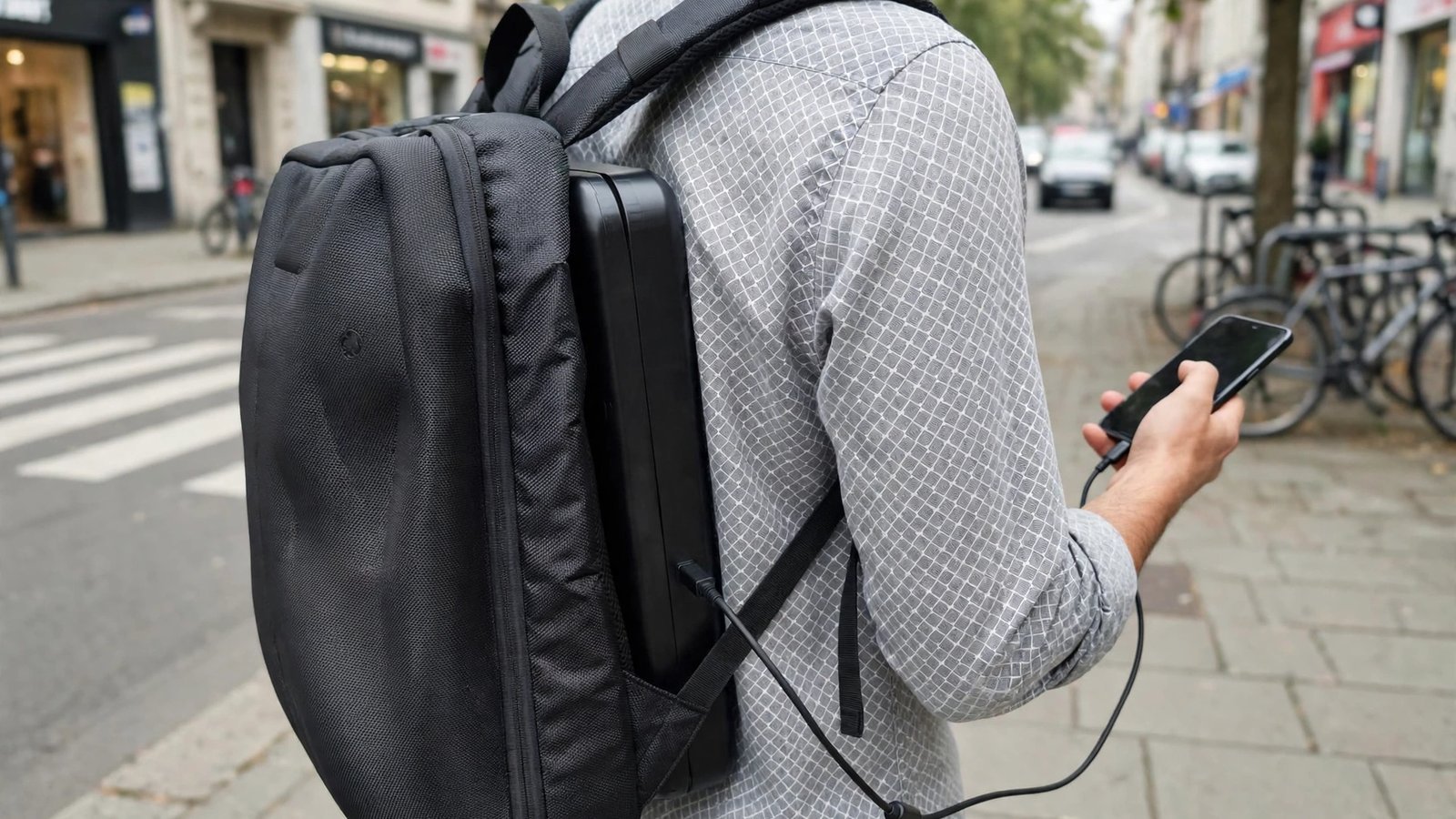
Smart backpack we designed, worn on the street
- 200+ products built
- 12+ years in hardware
- 30+ industries served
- NDA before you share
The short answer
What is lifestyle product development?
Lifestyle product development turns an everyday product idea into something people want to carry, wear or use at home: a design that looks right, a small board and battery that fit inside, the safety and battery approvals each market needs, and a price shoppers will pay.
Where lifestyle products go wrong
Four ways lifestyle projects stall
The board, battery and wiring don’t fit the shape customers want.
We plan the electronics around the design from the first sketch.
Fit check before toolingBatteries in bags and wearables need shipping tests and airline-safe sizes.
We size the battery and book UN 38.3 tests early.
Battery planSweat, steam and spills reach the electronics.
We design seals to a target IP rating for the real use.
IP-rated design targetHealth or germ-killing claims bring extra rules.
We keep claims inside the rules for each market.
Claims reviewOur own work
Lifestyle and personal care projects we have built
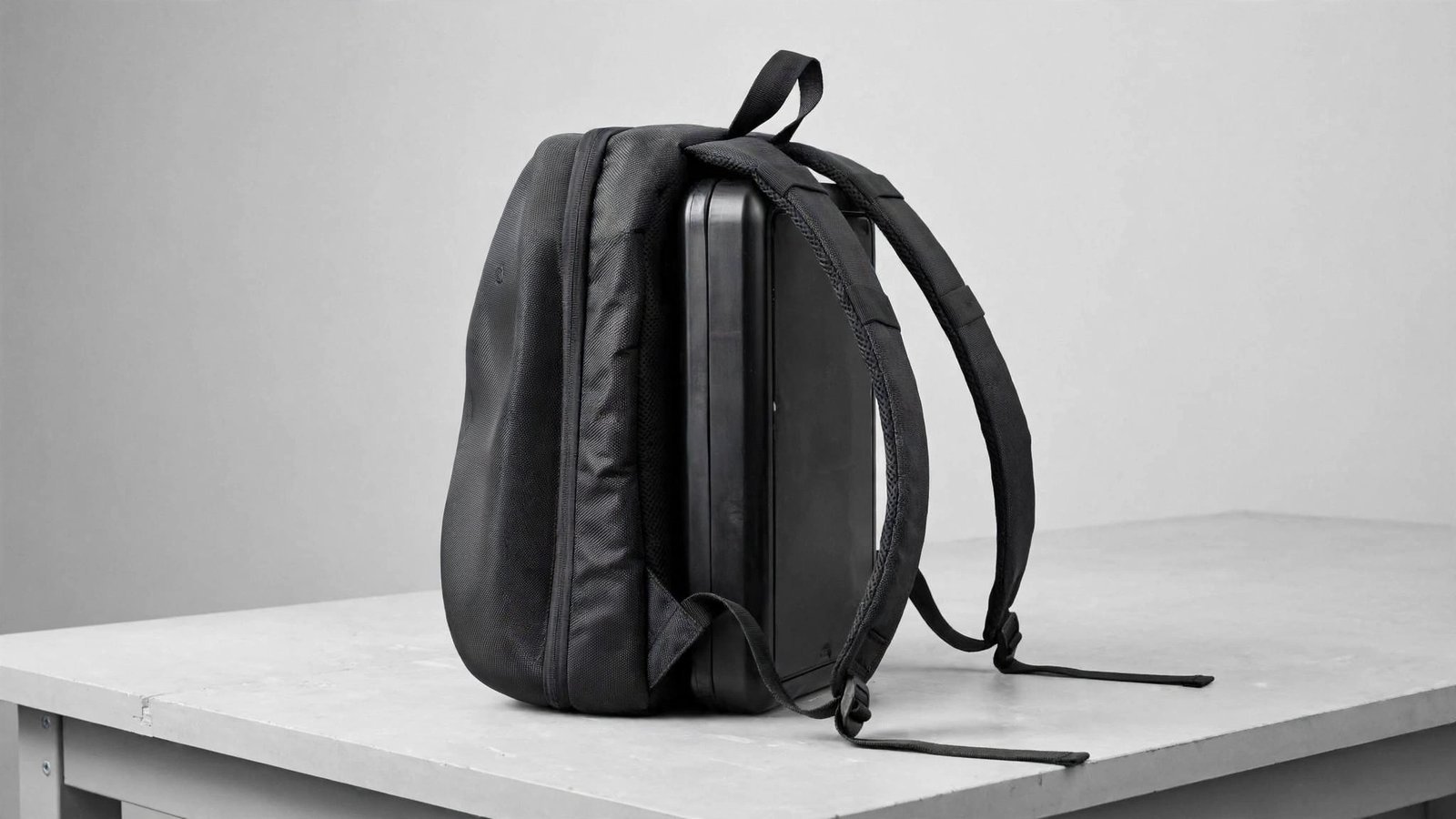
Smart backpack Case study
A backpack with a built-in battery, cable routing and USB charging.
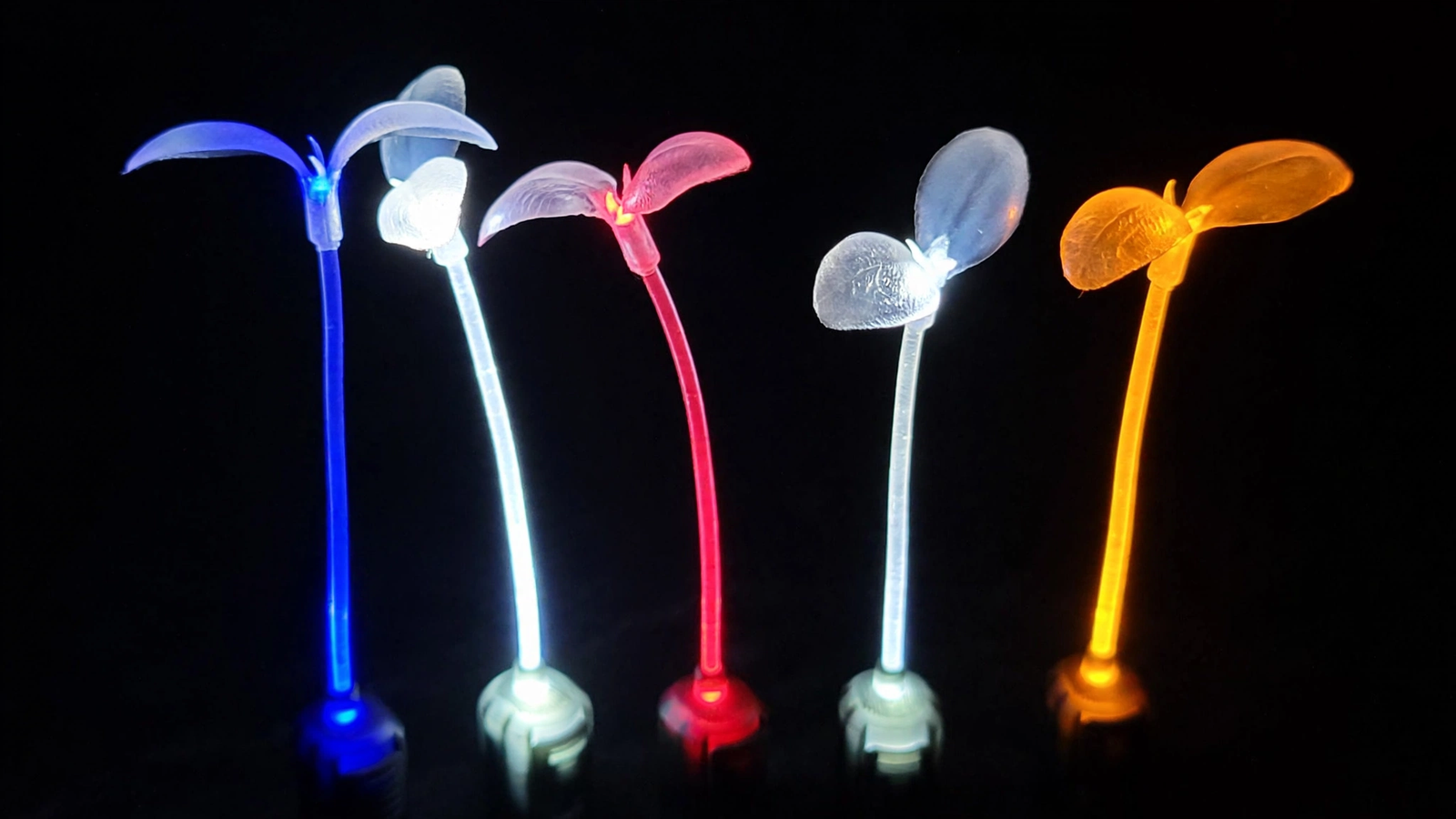
Smart hairpin Case study
A light-up hairpin with button-selected colors and modes, taken through tooling to volume production.
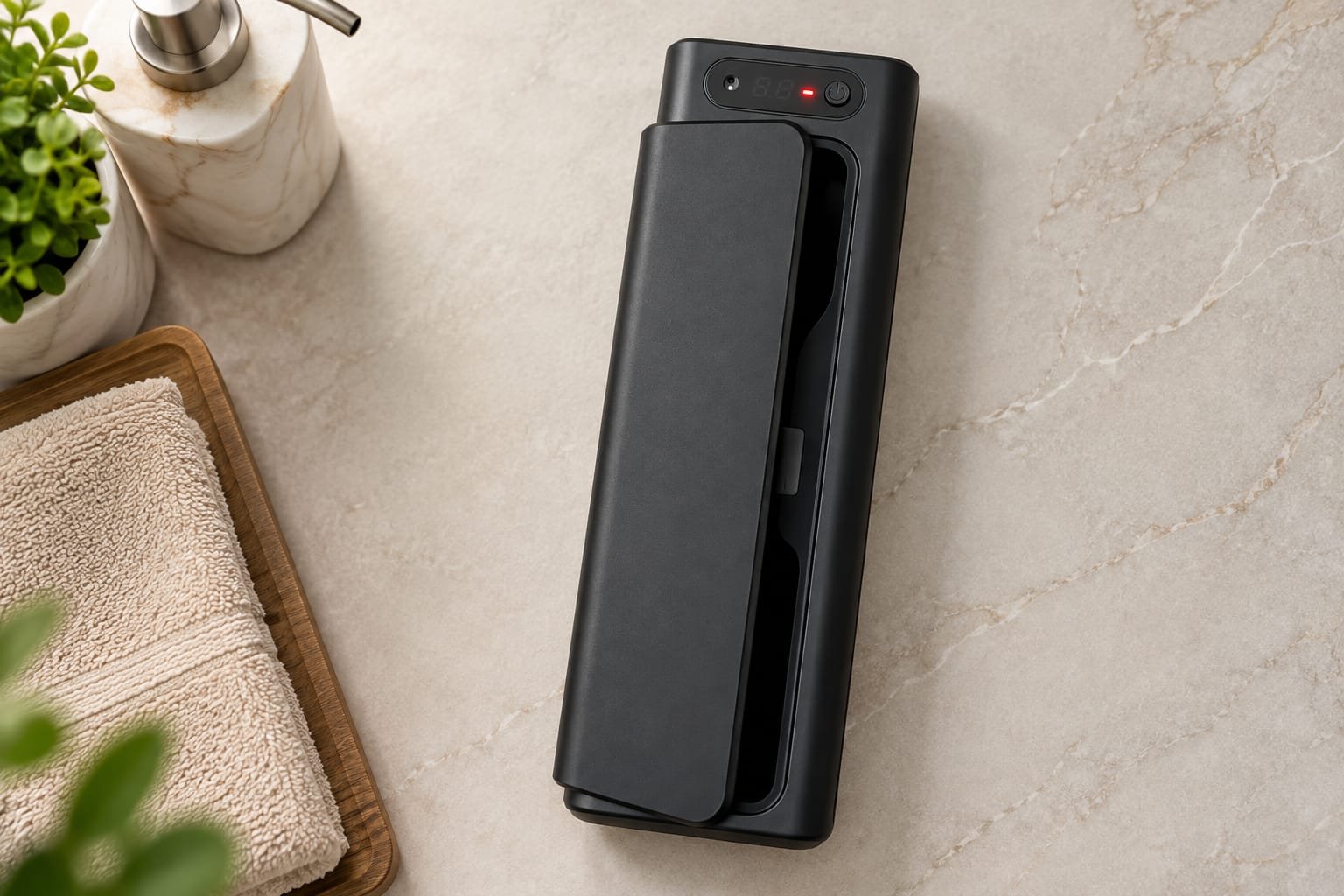
UV brush holder Case study
A closed toothbrush case that runs a timed UV-C cycle, with lid detection and a safety cut-off.
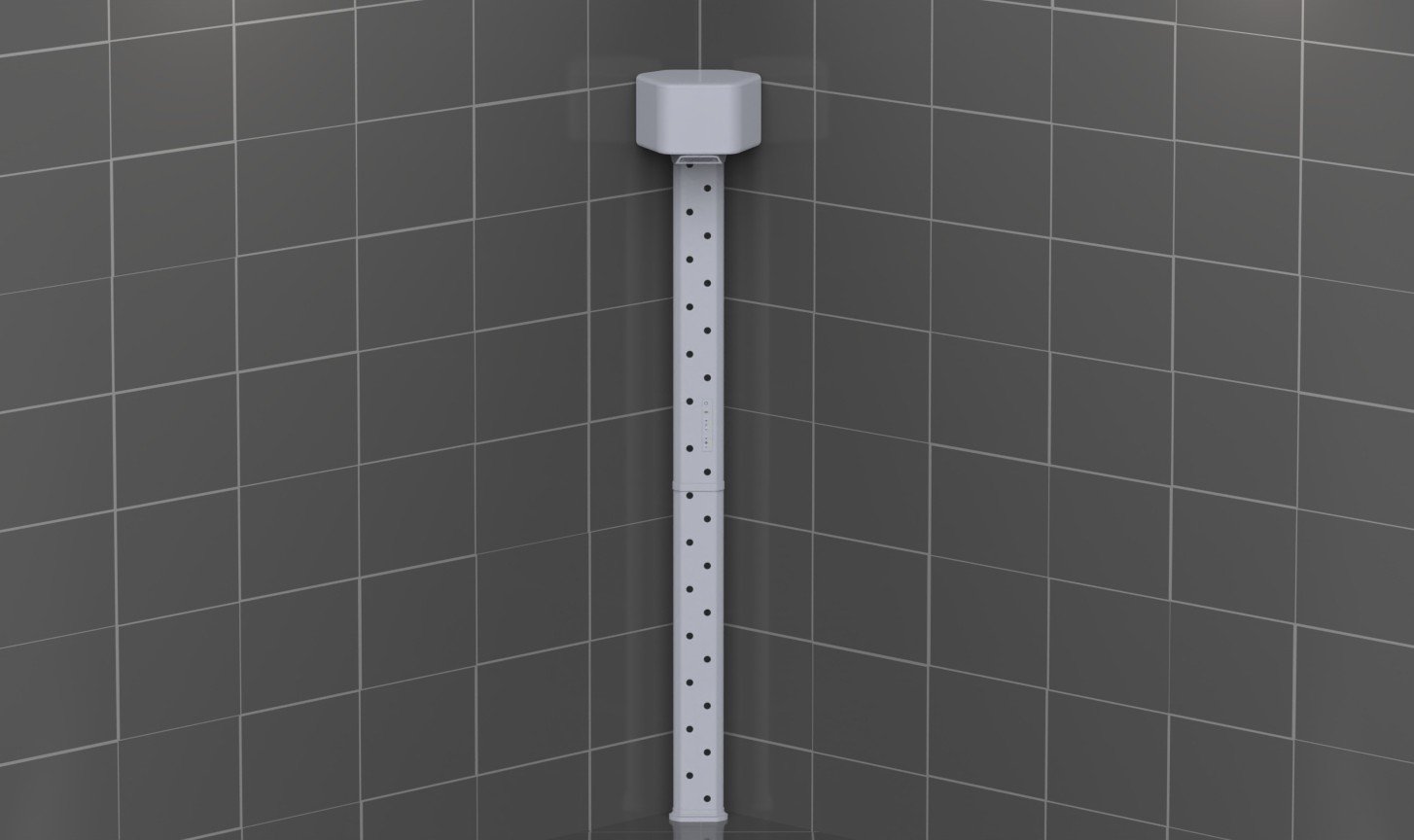
Smart body dryer Case study
A wall-mounted column that air-dries the user after a shower, installed as a full-height working prototype.
More of our work is under NDA, so we show what we built, not who for.
What clients say
Just what was promised – product was of good quality and delivered on time
Their team delivered top-notch electronic product development expertise, exceeding my expectations.
Product types
Lifestyle products we engineer
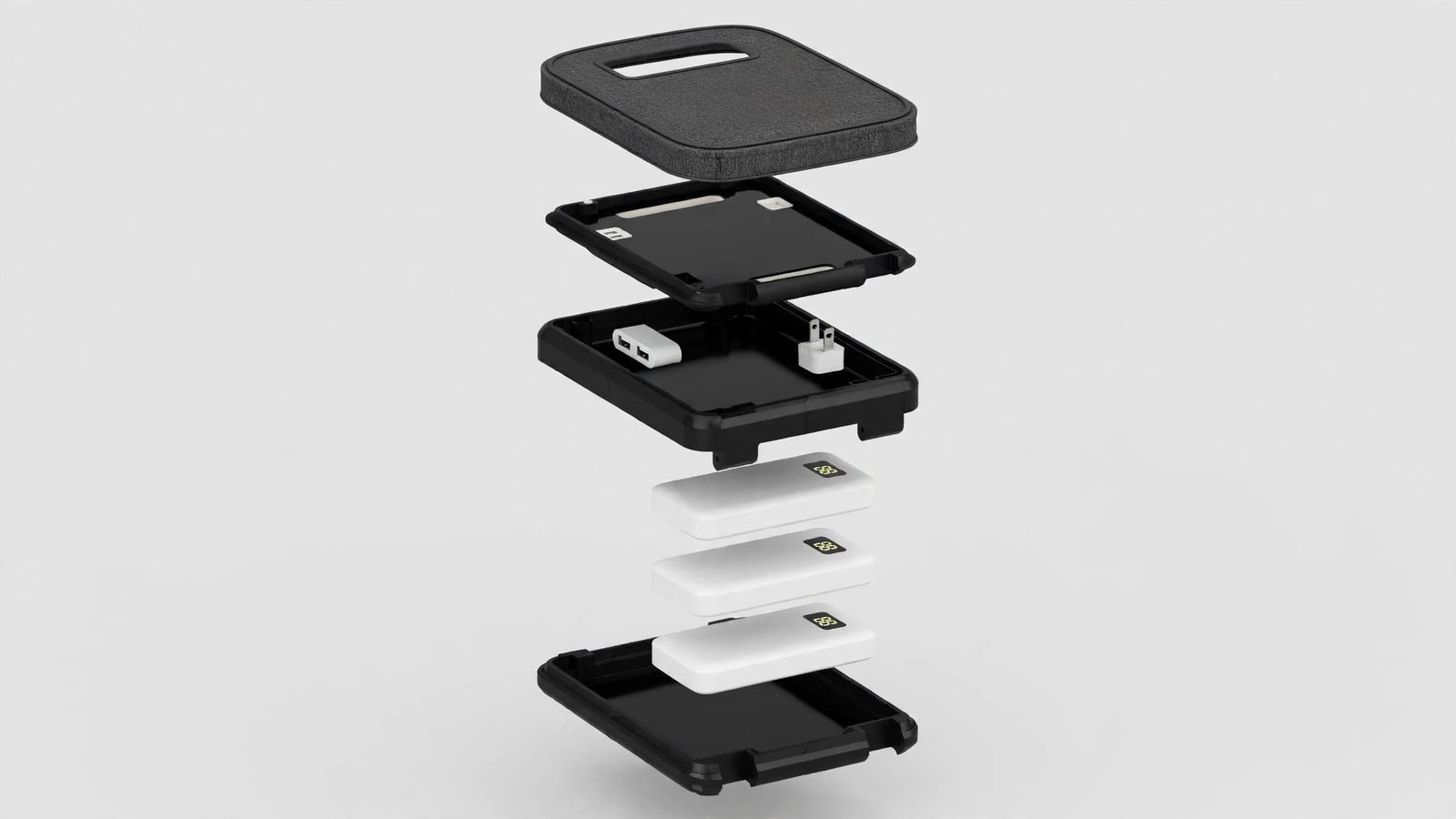
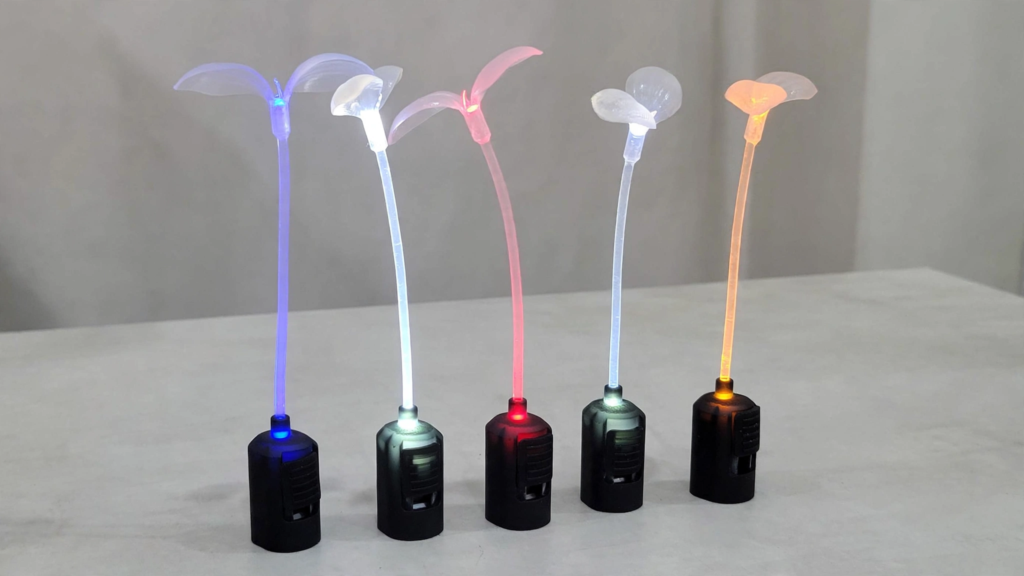
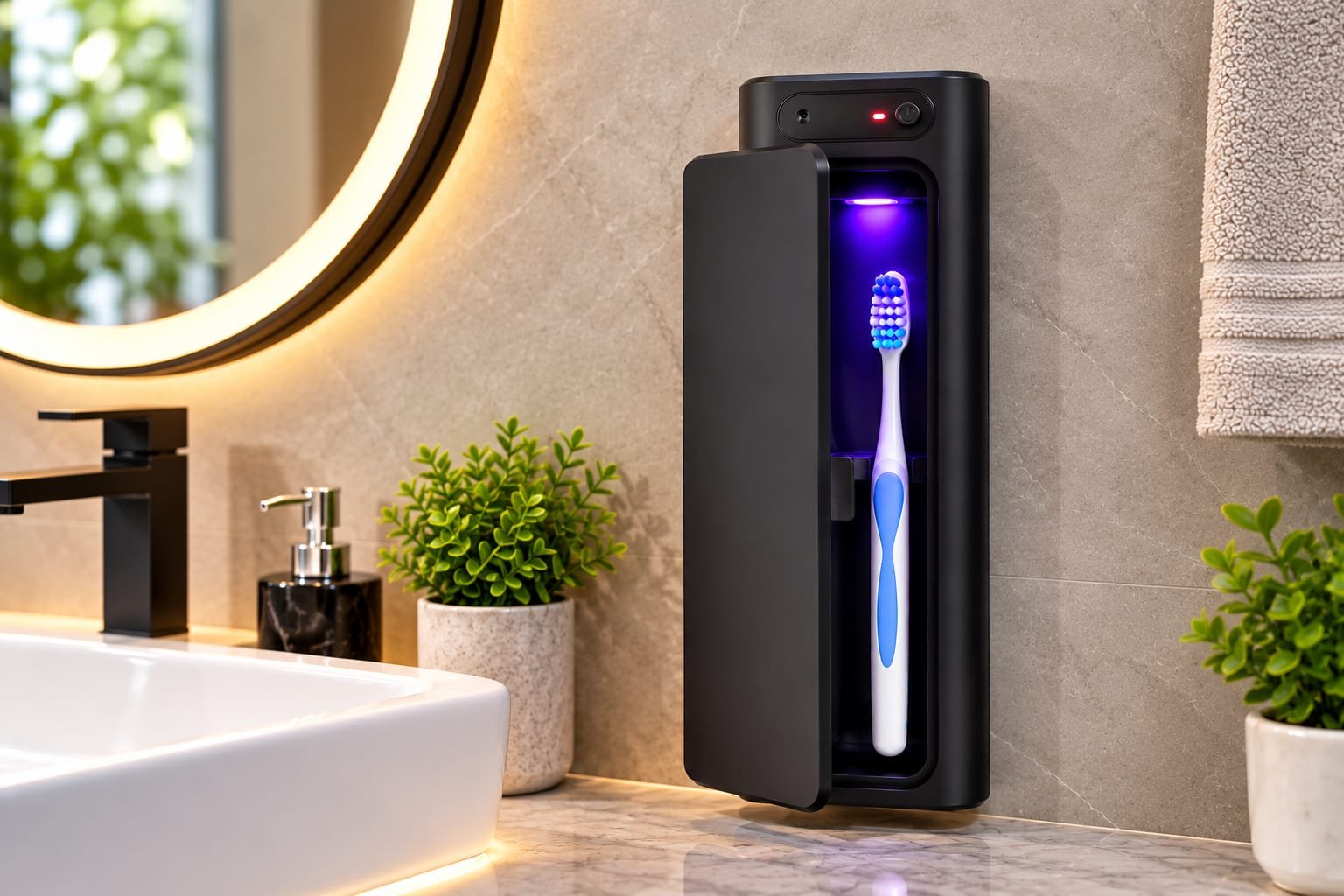
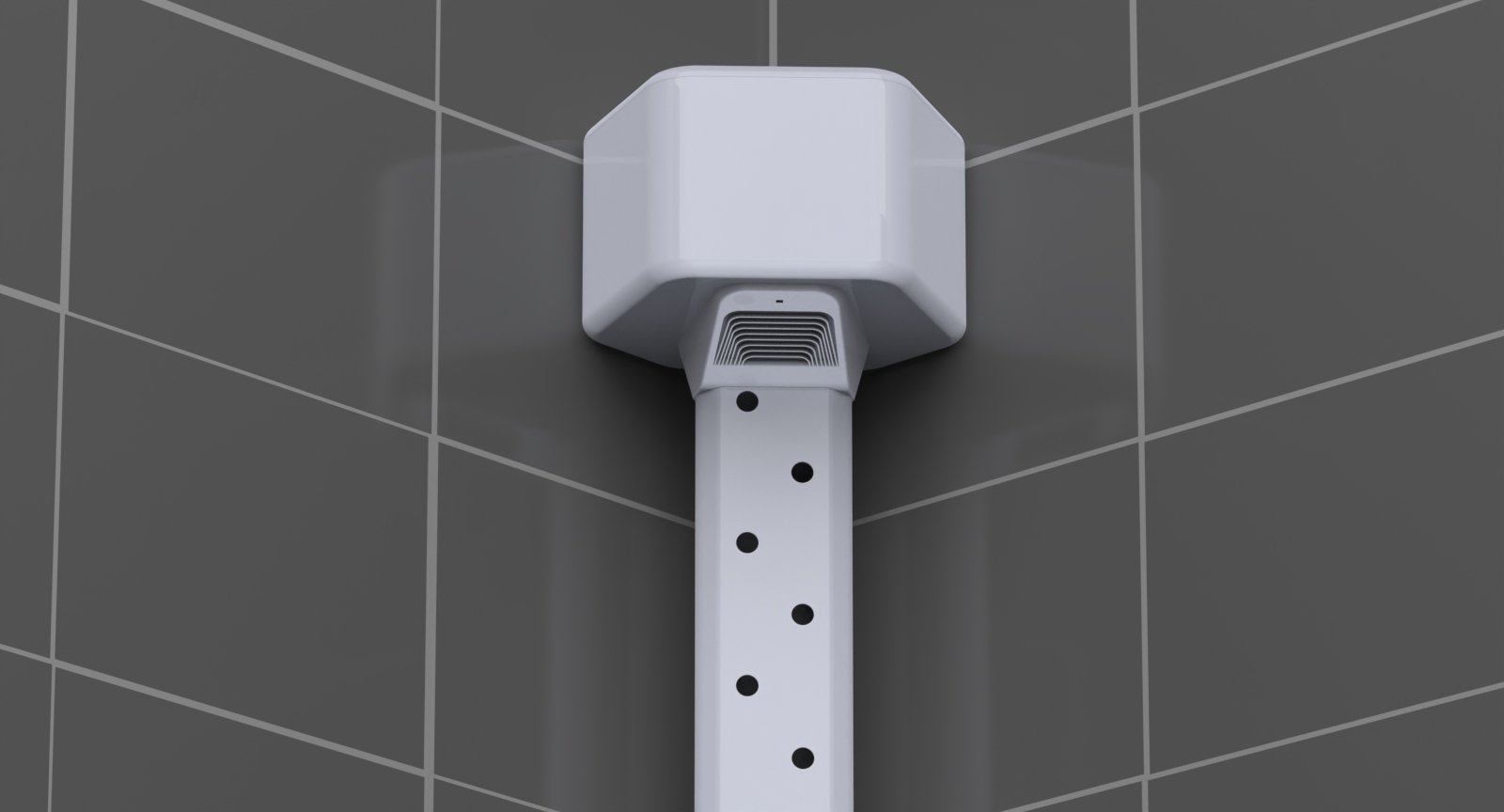
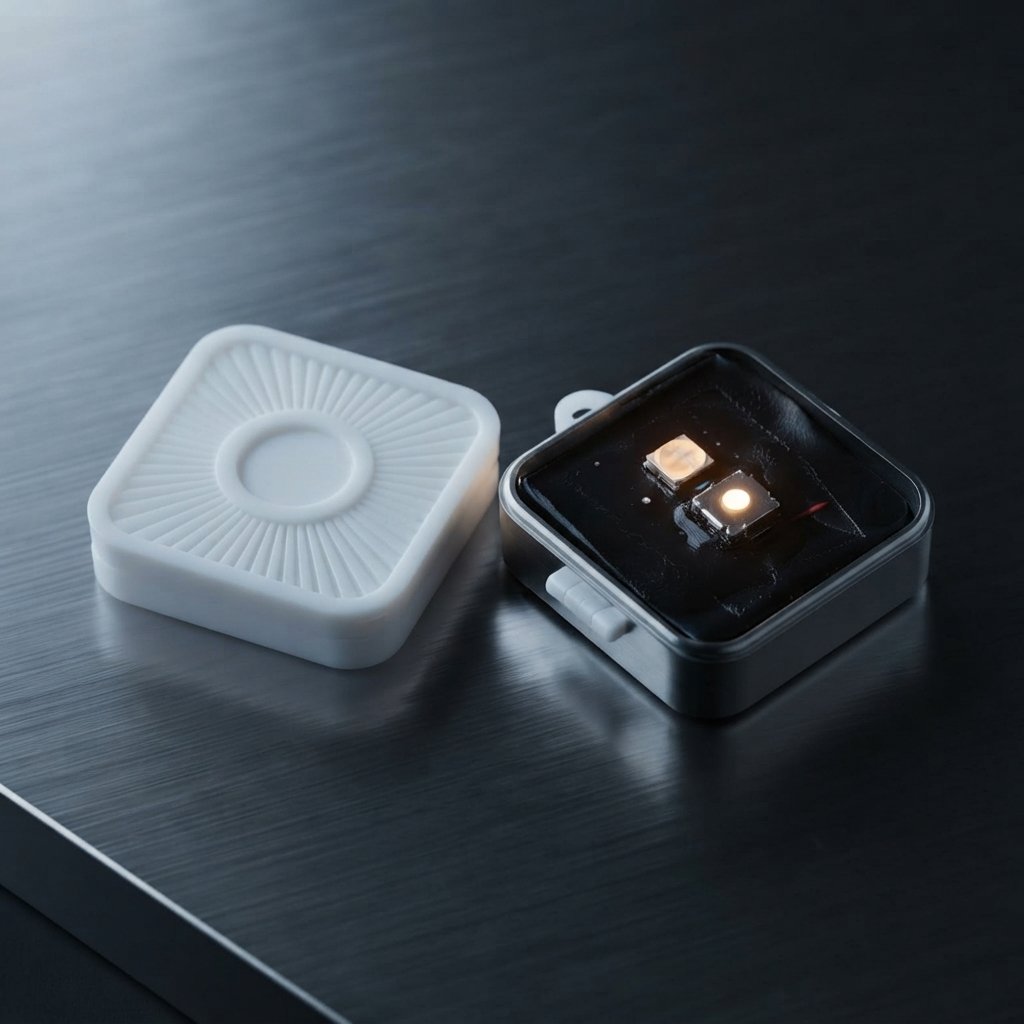
Photos from our own projects · pick a kind of product above
Bags
Bags and everyday carry
Proven on
Smart backpack
What matters most
A battery and cables that disappear into the bag, and charging that is safe on the move.
Standards that apply
UN 38.3, FCC / CE, airline battery limits
Beauty
Hair and beauty
Proven on
Light-up hairpin, now in production
What matters most
Light, comfortable, simple modes and a battery that lasts a night out.
Standards that apply
Coin-cell safety, Prop 65, CE
Hygiene
Personal care and hygiene
Proven on
UV brush holder
What matters most
A UV cycle that works, with an interlock so the light never reaches eyes or skin.
Standards that apply
IEC 62471, EPA device rules, FCC / CE
See health and wellness devicesBathroom
Bathroom and wellness
Proven on
Smart body dryer
What matters most
Safe with water and steam nearby, quiet, and simple to install.
Standards that apply
UL / IEC 60335, IP rating, FCC / CE
Jewelry
Jewelry and wearables
Proven on
Smart pendant
What matters most
A tiny board and battery inside a piece people want to wear.
Standards that apply
FCC / CE, UN 38.3, Prop 65, EU REACH
Certification
The standards lifestyle products must meet
FCC and CE radio and EMC rules
What it covers
Radio and interference limits for devices sold in the US, EU and UK.
What you get
We design and pre-scan, then manage the accredited lab.
UV-C exposure (IEC 62471)
What it covers
Eye and skin safety limits for products with UV lamps or LEDs.
What you get
We add lid interlocks and shielding so UV never reaches the user.
UN 38.3 battery tests
What it covers
Lithium battery transport tests before shipping.
What you get
We pick certified cells and book the tests early.
IP rating (IEC 60529)
What it covers
Protection against water, sweat and steam getting inside.
What you get
We design seals and gaskets to a target rating.
Electrical safety (UL / IEC 60335)
What it covers
Shock and fire safety for products that plug into the wall.
What you get
We design insulation and spacing to the standard, then use a listed lab.
Prop 65 and materials
What it covers
California chemical warnings, and materials that are safe against skin.
What you get
We specify compliant plastics, coatings and metals.
EPA pesticide device rules
What it covers
US rules for products that claim to kill germs, including UV sanitizers.
What you get
We keep claims and labels within what the rules allow.
Accredited labs test and certify. We design to pass and pre-test, so the paid test is a formality, not a gamble.
How it runs
From idea to first production run
- 01FeasibilityTarget cost, materials, parts and certification plan, with a fixed quote.
- 02Prototype (EVT)Samples people can wear, carry and use every day.
- 03Test and certify (DVT)Wear, water, battery and safety tests.
- 04Production (PVT)A pilot run, then volume production, as with our hairpin.
Services involved
The teams behind every lifestyle product
Related guides
Guides for lifestyle product founders
FAQ
Lifestyle product questions founders ask us
How much does it cost to develop a lifestyle or personal care product?
It depends on the electronics, battery, materials and tooling. A feasibility study at $1,500 to $2,000 gives you a fixed price per stage, including the certification plan.
Can you take a lifestyle product all the way to production?
Yes. Our light-up hairpin went from design through tooling to volume production. We run production with partner factories and stay responsible for samples and fixes.
What does a UV-C sanitizing product need?
Shielding and a lid interlock so UV never reaches eyes or skin, testing against photobiological safety limits such as IEC 62471, and, in the US, claims and labels that follow EPA rules for pesticide devices.
How do you make a product safe to wear against the skin?
We choose skin-safe plastics, coatings and metals, keep heat and the battery away from the skin, and check materials against Prop 65 and EU REACH before tooling.
Can my bag or accessory charge a phone?
Yes. Our smart backpack has a built-in battery, cable routing and USB charging. Bags with lithium batteries need UN 38.3 tests, and airlines limit battery size, so we plan capacity around that.
Does a lifestyle product need an app?
Only if it adds real value. Many sell better with one button and clear modes, like our hairpin. When an app helps, we build the device, firmware and app together.
Related guides
Before you build
Free product call
Building a product people will use every day?
Book a 30-minute product consultation. An engineer will tell you what it takes to build, certify and make your product, and what to test first.