For inventors and product teams with electronics inside
Enclosure design services for electronic products, engineered around your board
We design the housing your electronics live in: the shell parts, snap fits and screws, seals, battery door, buttons and antenna window, all shaped around the real board and battery and checked with the toolmaker before steel is cut. Our mechanical engineers work in-house next to the electronics team, so the case and the circuit are designed together.
NDA before you share anythingFixed price for each stage
- NDA from first contact
- Mechanical engineers in-house
- 200+ products built
- US company in Toledo, Ohio
The short answer
What is enclosure design?
Enclosure design is the mechanical engineering of the housing around your electronics: how its parts fit, seal and hold the board, battery and antenna, and how each one comes out of a mold. Our engineers do it in-house, beside the electronics team.
Housing
Shell parts, fastening and how it opens for service.
Fit
Board, battery, buttons and antenna placed and held.
Factory
Draft, walls and ribs a mold can make.
Our own work
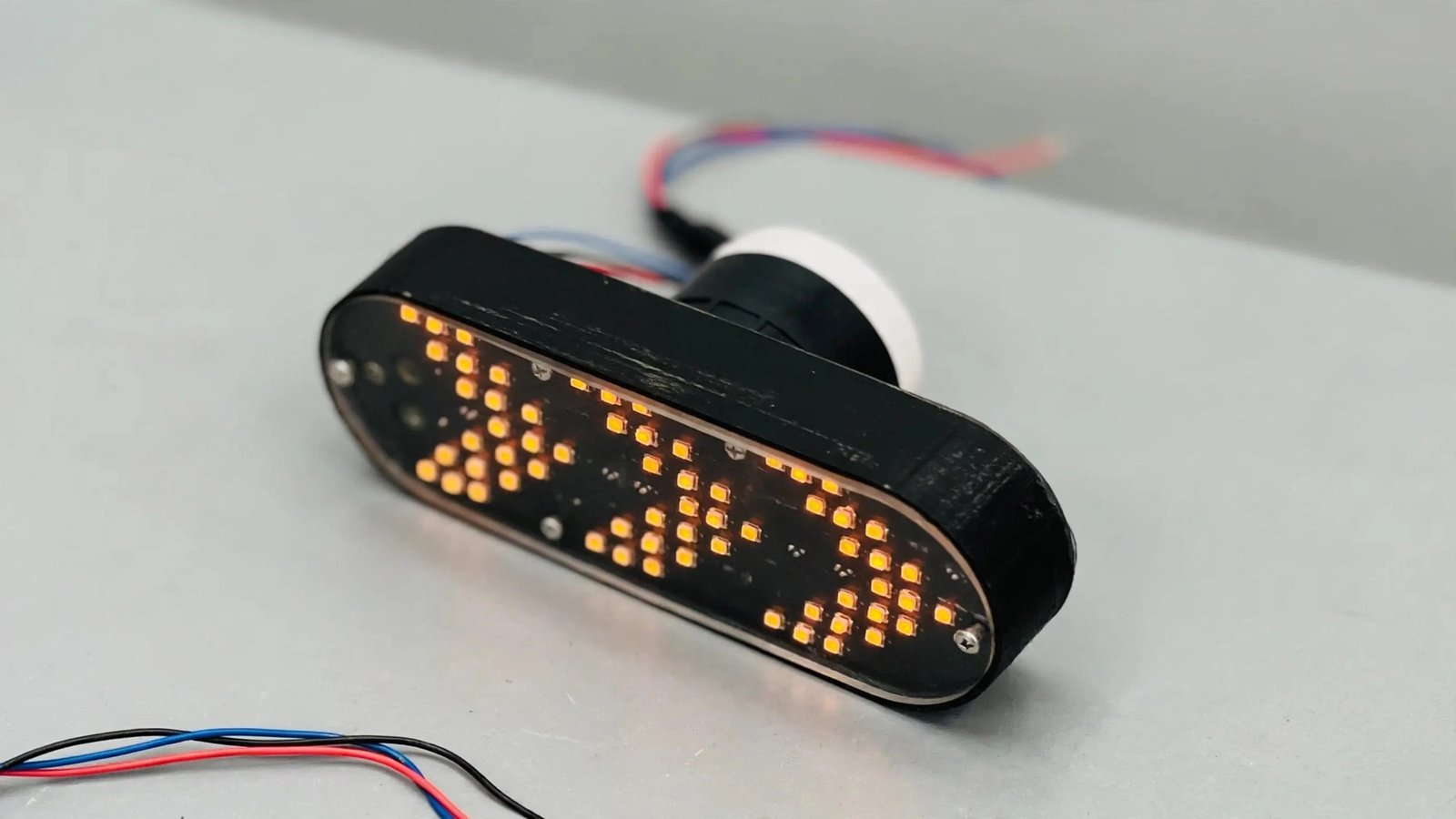
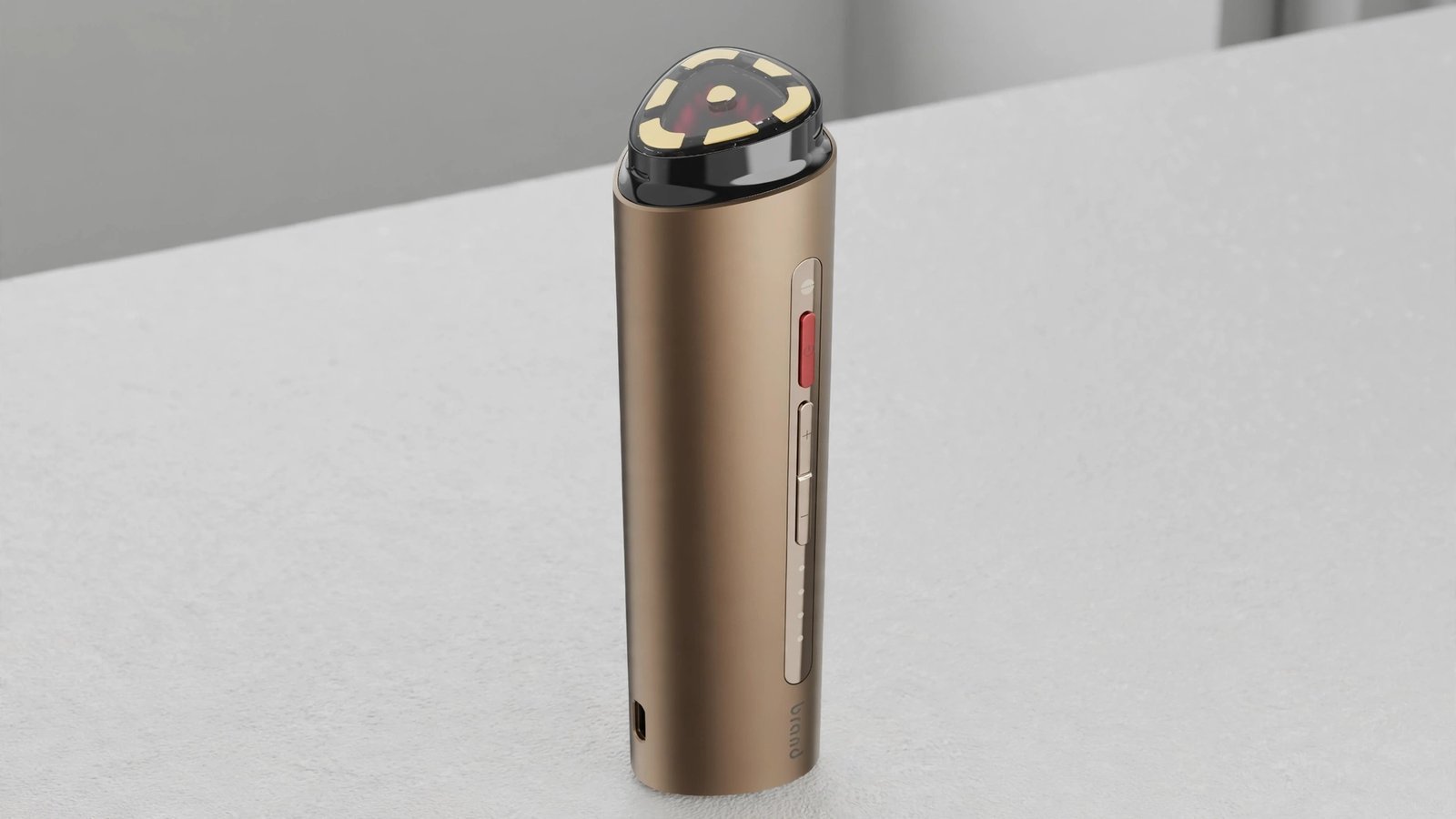
Housings we have designed around real electronics
Enclosures built around boards, batteries and buttons, from lamps to wearables. Every project is led by Mohsin Aslam, our founder and an electrical engineer building hardware since 2013.


What clients say
Their team delivered top-notch electronic product development expertise, exceeding my expectations.
they always deliver what is expected and work with me on smoothing out any details.
What we design
Every part of the housing, designed around the electronics
Six jobs our mechanical engineers own on every enclosure, so problems show up in CAD instead of in the mold.
Housing parts and CAD
The shell split into moldable parts, modeled in 3D with the real board, battery and connectors inside.
Fastening and snap fits
Screws, bosses and snap fits that assemble quickly and can be opened for repair or battery service.
Seals and IP rating
Gaskets, joins and port covers sized to the rating you need, from splash-proof to submersible.
Antenna window
Radio parts kept clear of metal and placed so the signal still works inside the finished housing.
Heat and safety
Heat paths, flame-rated plastics and child-safe battery doors where the product needs them.
Drawings and DFM
Toleranced 2D drawings, a parts list and a DFM report the toolmaker signs off.
Mechanical engineering
Engineered to survive its first year
What mechanical design services really buy you is a product that still works after the drops, heat and handling of real use.
Tolerance stack-up
The two halves close the same way on unit 5,000 as on unit 1, instead of rattling or cracking at a clip.
FEA on clips and mounts
Finite element analysis shows where a clip, hinge or mount will break before a mold is cut, not in customer returns.
Thermal design
Heat paths keep the board and battery cool inside a sealed case, so performance and battery life hold up.
The right material
ABS, polycarbonate or PA66 nylon, chosen for the drops, heat and price point your product will face.
You own the STEP and native CAD files at the end, ready for SolidWorks, Fusion 360 or any professional CAD tool.
Design for manufacturing
Four mold rules that decide your tooling bill
We design to these from the first sketch, because each one is cheaper to get right on screen than in steel.
Draft angle
Walls need 1 to 2 degrees of slope so parts slide out of the mold. No draft means drag marks and a costlier tool.
Even walls
Walls about 1 to 3.5 mm thick, kept consistent. Thick spots shrink unevenly and leave visible sink marks.
Ribs, not bulk
Stiffen with ribs about half the wall thickness instead of thicker walls: stronger, lighter and cheaper to mold.
No undercuts
Any hook the mold can’t pull straight off needs a side action, which adds cost and lead time.
Want the full picture of how plastic parts get made? Read how plastic parts get made.
Built to pass
The rules your enclosure has to meet
The housing decides more of your compliance than most founders expect. We plan for these before the first prototype shell.
Water and dust
An IP rating: IP54 is splash-resistant, IP67 survives a dunk to 1 meter.
Power circuitry inside
Flame-rated plastic, commonly UL 94 V-0, rated at the thinnest wall.
Coin or button cells
Reese’s Law (16 CFR 1263) requires a battery compartment that passes child-safety and abuse tests.
A radio inside
Metal blocks signal, so the antenna needs a window and is tested inside the finished housing.
Repair and battery rules
In Europe, from 18 February 2027 users must be able to remove portable batteries with common tools; screws age better than glue.
A look worth protecting
A US design patent protects appearance for 15 years from grant. We prepare drawings with your patent attorney.
How we work
From the board outline to tool samples
The enclosure is designed in parallel with the electronics, and you approve each stage before the next starts.
Stage 01 of 05
Brief and must-fit parts
We agree what the product must do and survive, and list the board, battery, connectors and controls the housing has to hold. About 3 to 5 days.
Stage 02 of 05
Shape directions
Sketch directions drawn around the real board outline, so every option can actually hold the electronics. 1 to 2 weeks.
Stage 03 of 05
CAD, parts and CMF
The chosen direction becomes split housing parts in 3D with colors, materials and finishes. 2 to 3 weeks.
Stage 04 of 05
Prototype shells and fit
3D-printed or machined shells are built around working boards to test fit, buttons, seals and the radio.
Stage 05 of 05
Toolmaker sign-off
Drawings, DFM report and tooling package checked with the factory. Tool samples usually arrive 4 to 8 weeks after sign-off.
See where the enclosure fits in the whole product: electronic product design services.
What you receive
A housing the factory can build, not just a render
Under the agreed scope you receive the files a toolmaker and an assembler need, and the same team supports tooling and the first production runs.
A $20 CAD file shows a shape. It rarely checks draft, wall thickness, the board inside or the toolmaker’s rules, so the fixes arrive after the mold is quoted.
- 3D CADProduction CAD of every housing part, with the board inside
- Drawings and BOMToleranced 2D drawings and every part, material and fastener
- DFM reportWhat we changed for the factory, and why
Cost and time
What enclosure work takes
- Industrial designTypically $15,000 to $30,000 for a typical product (published industry estimate)
- Enclosure engineeringAbout $25,000 to $60,000 for 10 to 30 parts (published industry estimate)
- Design time2 to 3 weeks for a simple accessory; 7 to 10 weeks for a powered device with a mechanism
- Tool samplesUsually 4 to 8 weeks after the design is signed off
- Pricing modelFixed price for each stage after a design review
Industry figures were checked in November 2026 and are not our quote. Simple housings with few parts cost far less. For a rough figure for your whole product, try the hardware cost and timeline estimator.
Tooling
What the mold costs
- 3D printed shellsFor the first handful of units, while the design still changes
- Cast urethaneFor tens of units that look and feel molded
- Aluminum moldAbout $3,000 to $15,000, good for roughly 10,000 to 100,000 parts
- Steel moldAbout $20,000 to $100,000 or more, good for millions of parts
- OwnershipMolds and tooling registered in your name
Mold figures are published industry estimates. A change in CAD is cheap; a change in steel isn’t. More detail in what injection mold tooling costs.
Choosing a team
CAD freelancer, enclosure maker or a product design partner?
Each fits a different job. If you only need a printable box for a hobby board, a freelancer is the better choice.
| Compare | CAD freelancer | Enclosure manufacturer | Product design partner |
|---|---|---|---|
| Best for | A quick model or a 3D-printable case | A standard box or sheet-metal case for a known board | A finished consumer product: board, firmware and housing together |
| Who checks the board fits | You | You | Our electronics and mechanical engineers, together |
| Mold and DFM | Rarely included | For their own process only | DFM report and toolmaker sign-off |
| After the design | Handover of files | They make the parts | Prototypes, tooling support and production runs with partner factories |
Industries
Industries we build for
Housings we have engineered, by industry.
FAQ
Enclosure design questions founders ask us
What do enclosure design services include?
Ours cover the housing parts and their 3D CAD, fastening and snap fits, seals and gaskets, the battery door, buttons and light pipes, the antenna window, heat paths, 2D drawings with tolerances, a parts list and a DFM report checked with the toolmaker. Prototype shells for fit tests are included in the prototype rounds.
Do you design the enclosure in-house?
Yes. Our mechanical engineers design the enclosure in-house, alongside the electronics and firmware engineers, so the housing and the board are designed around each other. Molding and volume production run with our partner factories.
How much does enclosure design cost?
Published industry estimates put enclosure engineering at about $25,000 to $60,000 for a product with 10 to 30 parts, and industrial design at about $15,000 to $30,000. A simple housing with a few parts costs far less. Tooling is extra. We quote a fixed price for each stage after a design review.
Do I need a finished circuit board before you design the enclosure?
No. We can design the housing while the electronics are being planned, as long as the board size, battery and antenna position are agreed early. If you already have a board, we design around it or flag small board changes that would make the product better.
Can you make my enclosure waterproof?
Yes, to the level it needs. IP54 means splash- and dust-resistant; IP67 means it survives being dropped in water to 1 meter. We choose seals, gaskets and joins at the design stage and plan how the battery is charged or replaced without breaking the seal.
What material should my enclosure be made from?
Most electronic products use molded plastics such as ABS or polycarbonate; products with power circuitry often need a flame-rated grade such as UL 94 V-0. Metal suits strength and heat but blocks radio signals, so a wireless product needs an antenna window. We recommend the material during design and test it on prototypes.
How long does enclosure design take?
Industrial design typically takes 2 to 3 weeks for a simple accessory and 7 to 10 weeks for a powered device with a board and a mechanism. Mechanical engineering overlaps with that work, and tool samples usually arrive 4 to 8 weeks after the design is signed off.
Who owns the CAD files and the molds?
You do. Under the agreed scope you receive the CAD, drawings and DFM report, and molds and tooling are registered in your name so you can move them to another factory.
Related guides
Guides to enclosure and mechanical design
First product?
Free consultation and roadmap guidance for first-time founders.
Talk your first product idea through with our engineers before you spend on design. Book your free consultation or send us your idea.