For inventors and product teams before the lab and the factory
Hardware testing and validation services that catch failures on our bench, not in the field
We test your electronic product the way customers, certification labs and factories will: on battery, inside the real housing, in real conditions, with every board revision pre-scanned before it goes near a lab. Then we turn those tests into fixtures and a golden sample so every production batch is checked the same way.
NDA before you share anythingFixed price for each stage
- NDA from first contact
- In-house pre-compliance scans
- 200+ products built
- US company in Toledo, Ohio
The short answer
What are hardware testing and validation services?
Hardware testing and validation proves your product works, keeps working and will pass certification before you pay for tooling, lab fees and a production run, from bench, firmware and battery tests to the EVT, DVT and PVT builds.
Works
Every feature tested on the bench and in the field.
Passes
Pre-scanned before the certification lab.
Repeats
Fixtures and a golden sample for every batch.
Our own work
Products we have tested and validated
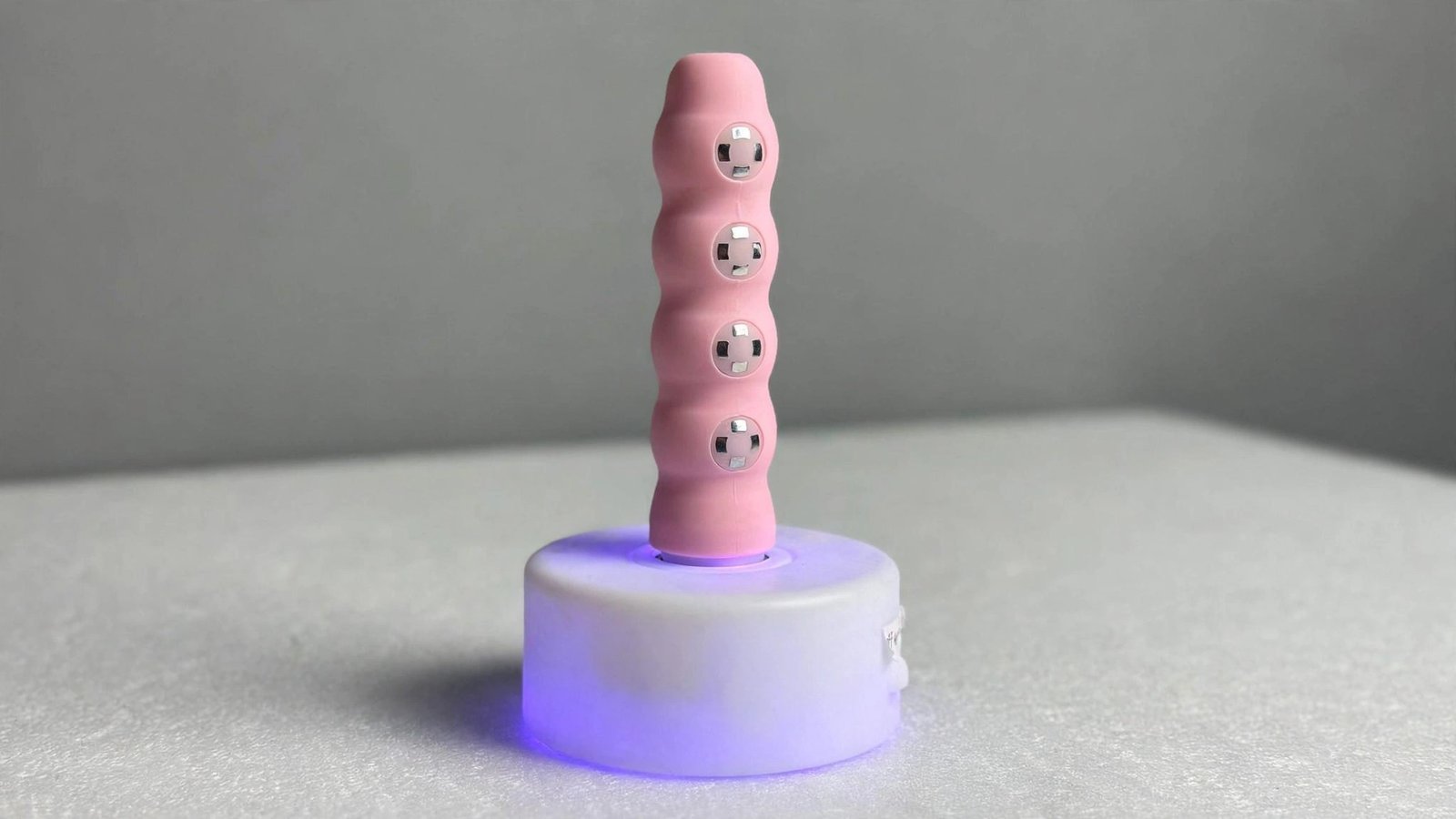
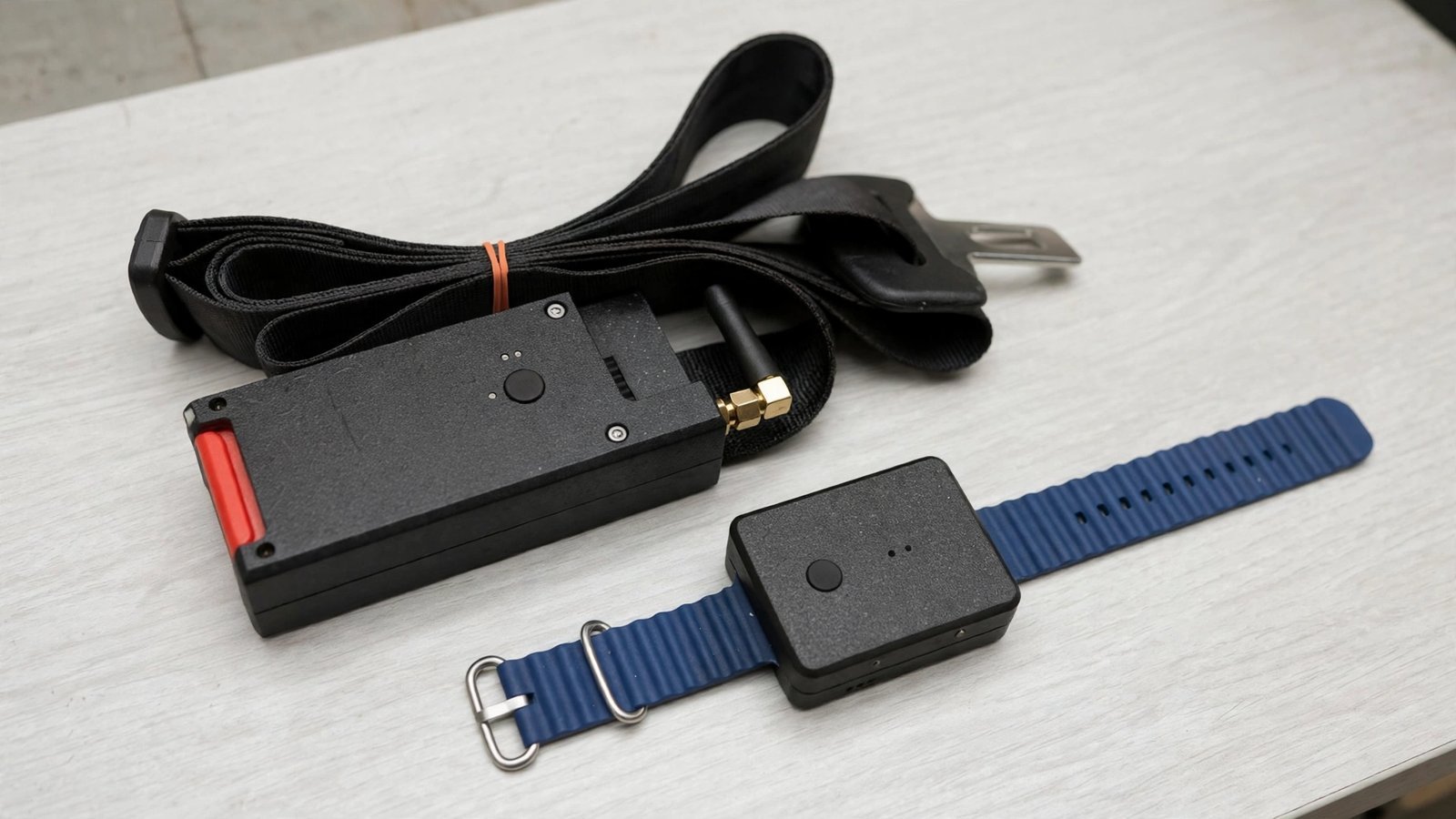
From femtech to fleet hardware, each one tested on battery, in its housing and in real use. Every project is led by Mohsin Aslam, our founder and an electrical engineer building hardware since 2013.


What clients say
Their team delivered top-notch electronic product development expertise, exceeding my expectations.
they always deliver what is expected and work with me on smoothing out any details.
What we test
Six kinds of testing, planned from the first prototype
Each prototype round has its own test plan, so you only pay for the tests that answer that round’s question.
Bench and electrical
Power, signals, sensors and every feature checked against the requirements you approved.
Firmware testing
Every function, edge case and update path tested on the real hardware, not only in simulation.
Battery and real use
Tested on battery, inside the real housing and in real-world conditions, not only on a lab power supply.
Pre-compliance scans
Every board revision scanned on our own bench for the problems a certification lab looks for.
Reliability
Drop, heat and life tests at DVT, plus water tests where the product carries an IP rating.
Connected-system tests
Pairing, data, offline behavior and safe updates tested with device, app and cloud running together.
How we test
Find out what will go wrong before your customers do
Every test answers a question you would otherwise learn from returns, a failed lab visit or a bad batch.
Power profiling
We measure the real current draw, so the battery life printed on your box is a measured number, not a hopeful one.
Debug and HIL rigs
JTAG/SWD debugging and hardware-in-the-loop (HIL) rigs replay real conditions to the firmware thousands of times.
Firmware regression
Unit and regression tests on every build, so an update cannot quietly break what already worked.
Environmental stress
Thermal cycling, vibration, drop tests and IP testing to IEC 60529 if you promise water resistance.
Life and HALT/HASS
Battery cycle life, accelerated life tests and HALT/HASS screening, with an MTBF estimate where downtime costs money.
Production test
Functional test (FCT) fixtures, or a bed-of-nails in-circuit test (ICT) at volume, check every unit before it ships.
Specialist chambers are booked at an external lab, so you only pay for the ones your product needs. Every failure gets a root-cause analysis and an engineering change order (ECO); that record is your design verification and validation (V&V).
Why we test before the lab
Three expensive surprises testing is there to prevent
Each one is cheaper to find on a bench than at a lab, a factory or a customer’s door.
Failing the certification lab
Industry labs commonly report that around half of products fail their first formal EMC test, and a failed test can cost 50 to 100% of the fee again.
Works on the bench only
A demo on a lab power supply can still fail on battery, inside a sealed housing or on a customer’s home network.
Units that differ batch to batch
Without fixtures and a golden sample, a factory has nothing to check its units against.
Testing your own prototype first? Use our free prototype test plan template.
Validation stages
From prototype to mass production, one gate at a time
Each stage has to pass before the next begins. Unit counts are typical for a first product.
Stage 01 of 05
Prototype
A handful of units. What has to pass: the product does its job on the bench.
Stage 02 of 05
EVT
Tens of units on production-intent boards. What has to pass: every electrical and firmware feature works.
Stage 03 of 05
DVT
Hundreds of units from production tooling. What has to pass: drop, heat, life and certification tests.
Stage 04 of 05
PVT
A sellable batch on the production line. What has to pass: the line hits its yield and its test plan.
Stage 05 of 05
Mass production
Your full order, batch after batch. What has to pass: every batch matches the approved golden sample.
EVT, DVT and PVT stand for engineering, design and production validation tests. See how the stages fit production on our product manufacturing services page.
What you receive
Test results you can act on, not just a pass mark
You get a written record at every stage: what was tested, how, what it showed and what we changed. Those records travel with the product into certification and production.
- Test planThe tests each round needs, agreed before work starts
- Test reportsBench, battery, pre-compliance and reliability results
- Golden sampleSigned reference units and fixtures for the factory
Lab cost and time
What certification testing takes
- Product without a radioAbout $3,000 to $5,000 in published US lab estimates
- Pre-certified radio moduleAbout $6,500 to $10,000 in published US lab estimates
- Its own Bluetooth or Wi-Fi radioAbout $9,000 to $12,000 in published US lab estimates
- Lab timeTypically 4 to 6 weeks, plus about 1 to 3 weeks for the FCC grant
- A failed testCan cost 50 to 100% of the fee again
Published US lab estimates checked November 2026; they are not our quote. Pre-scanning first and booking the lab early are the two biggest savers. Which tests apply to you? Try the US certification finder.
Production testing
What the factory gets from us
- Test fixturesThe jigs that check every board and every finished unit
- Programming stationLoads firmware and a unique serial number into every device
- Work instructionsPhoto steps for each station, so any factory builds it the same way
- Golden sampleSigned reference units every future batch is checked against
- First article checkThe first units off every new line inspected before the run continues
Every batch is sampled to a written plan agreed before production, and no part changes without your sign-off, so certifications stay valid.
Choosing a partner
Certification lab, factory QC or a design-side test partner?
You will likely need all three at some point. This is where each one fits.
| Compare | Certification lab | Factory quality control | Design-side test partner |
|---|---|---|---|
| What they answer | Does it pass the formal standard? | Does this batch match the sample? | Will the design work, pass and repeat? |
| When | Once the design is final | During production | From the first prototype onward |
| If something fails | You get a report | Units are rejected | We find the cause in the design and fix it |
| Typical role | Accredited formal testing | Inspection to a plan | Test plans, pre-scans, reliability and fixtures |
Industries
Industries we build for
Products we have tested, by industry.
FAQ
Hardware testing questions founders ask us
What do hardware testing and validation services include?
Ours cover a written test plan, bench and firmware tests, battery and real-world tests inside the real housing, in-house pre-compliance scans of every board revision, reliability checks such as drop and heat, system tests for connected products, and the test fixtures and golden sample used in production. Which of these you need depends on the product and the agreed scope.
Are you a certification lab?
No. Formal FCC, UL or CE certification is done by an accredited external laboratory. We test before the lab so the product arrives ready, then manage the lab, the report and any fixes. See our product certification services for how that works.
What is pre-compliance testing?
It is an early scan of a board for the emissions and immunity problems a certification lab will test for. Industry labs commonly report that around half of products fail their first formal EMC test, and a failed test can cost 50 to 100% of the fee again, so we scan every board revision on our own bench first.
What are EVT, DVT and PVT?
Engineering, design and production validation tests: three build stages between a prototype and mass production. EVT checks every electrical and firmware feature on production-intent boards, DVT checks drop, heat, life and certification on units from production tooling, and PVT checks that the line hits its yield and test plan.
Can you test a product designed by someone else?
Yes. We can review the design, write a test plan and test your units. Where tests fail, we explain which part of the design causes it and can quote the fix as a separate scope.
How do you test connected (IoT) products?
With the device, app and cloud running together. We test first-time pairing on real phones and home networks, that all three agree on the data, what happens when Wi-Fi or signal drops, and that firmware updates verify before they switch and roll back if anything fails.
How long does testing take?
Bench and pre-compliance testing run alongside each prototype round. Formal lab testing typically takes 4 to 6 weeks, and an FCC grant adds about 1 to 3 weeks after testing. Your feasibility study includes a schedule for the test stages your product needs.
What do I receive?
A test plan, test reports for each round showing what was tested, how and what it showed, and, before production, the test fixtures, programming setup and signed golden sample that every batch is checked against.
Related guides
Guides to hardware testing
First product?
Free consultation and roadmap guidance for first-time founders.
Talk your first product idea through with our engineers before you spend on design. Book your free consultation or send us your idea.