For inventors and first-time founders
Prototyping services for inventors who are already living in 2050
Your idea belongs to the future. We make it real today: a working prototype (electronics, software and housing) built under NDA, with a clear price for each round, and designed to be manufactured instead of rebuilt. You own the IP.
- NDA from first contact
- You own the IP
- 200+ products built
- US-based team in Toledo, Ohio
Short answer
What are product prototyping services?
Product prototyping services turn an idea into a physical model you can test. For an electronic product, that means three things built together: the circuit board (PCB), the software inside it (firmware) and the housing you hold. Each prototype round answers one question, from “does it work?” to “can it be made at volume?”, before you spend on the next.
- 4prototype rounds, each with one job
- 1team for electronics, code and housing
- 100%of the IP is yours
Which round are you at?
Four prototype rounds, from first spark to factory-ready
Most inventors don’t need every round, and nobody should pay for one twice. Pick where you are now and see what the next round proves, what you get and who you can show it to.
Round 01 · Proof of concept (PoC)
Proof of concept
A rough working build on off-the-shelf boards such as Arduino, ESP32 or Raspberry Pi. It looks nothing like the product, and that’s fine.
What you get
- A working demo of the core function
- Feasibility notes and key risks
- A parts list and rough cost to build
Ready to show
You, a co-founder or an early adviser
Round 02 · Works-like / alpha prototype
Works-like prototype
Your own custom circuit board and firmware, running on battery, in a test housing. It behaves like the real product but isn’t pretty yet.
What you get
- Custom PCB and firmware
- Battery and wireless tested on the bench
- User-test notes and design fixes
Ready to show
Test users and technical partners
Round 03 · Looks-like/works-like (beta)
Looks-like, works-like
The working electronics inside a housing that looks and feels like the final product, finished to photo and video quality.
What you get
- A show-ready unit that fully works
- Real materials, colors and finish
- Photos and video for your pitch or campaign
Ready to show
Investors, buyers and Kickstarter backers
Round 04 · EVT and DVT builds
Pre-production units
A small batch made with production methods and parts, then tested for reliability, certification and assembly before tooling is ordered.
What you get
- A batch of near-final units
- Pre-compliance and reliability results
- Manufacturing files ready for quotes
Ready to show
Manufacturers, retailers and test labs
Not sure your idea is ready for a prototype? Take the free 3-minute readiness check
What inventors are building
Prototype ideas for today, and for what comes next
Here are the kinds of products inventors bring to us now, and the ones we expect to see more of over the next few years.
- Home and family
- Health and wellness
- Pets
- Sports and outdoors
- Personal safety
- Sustainability
Building now
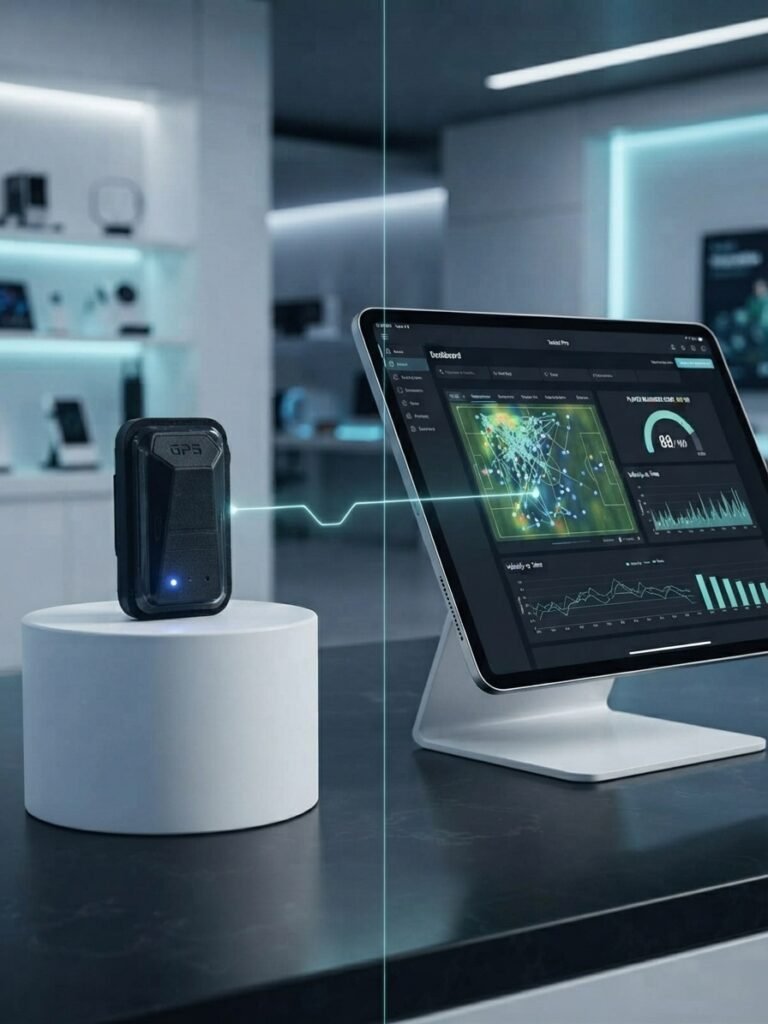
- 01Pet GPS trackers and smart feedersLocation, activity and feeding schedules for pets that roam.
- 02Fitness wearables and smart ringsHeart rate, sleep and activity tracking in a tiny body.
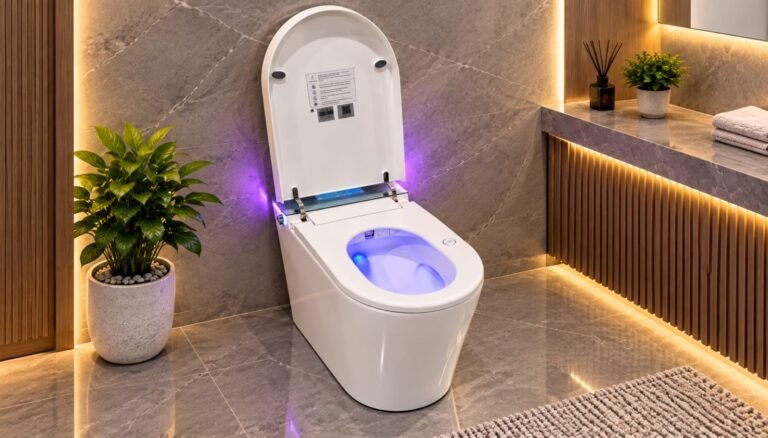
- 03Smart home and kitchen gadgetsAppliances that measure, remind and switch on by themselves.
- 04Baby and child monitorsSleep, breathing and room alerts that parents can trust.
- 05Personal safety devicesOne-press alerts that share location when it matters.
- 06Sports and outdoor sensorsRugged gear that counts, measures and survives the weather.
Coming next
- 01Fall alerts for aging at homeQuiet sensors that let older adults live independently.
- 02At-home health monitorsReadings at home that a family member or doctor can follow.
- 03Pocket devices with built-in AIVoice, vision and sound recognized right on the device.
- 04Energy and water saversMeters and valves that cut waste and lower monthly bills.
- 05Plant, garden and yard sensorsSoil, light and moisture data for smarter growing.
- 06E-bike and e-mobility add-onsLights, locks and trackers for the new way to commute.
Products we have already taken from idea to working unit:

How we build it
The prototyping methods behind every round
We pick the method that answers the round’s question fastest and closest to how the product will finally be made.
PCB design and assembly
Custom circuit boards designed, fabricated and assembled, from two-layer boards to dense multilayer layouts.
Embedded firmware
The code on the microcontroller: sensors, battery life, wireless, updates and the logic your product runs on.
3D printing
FDM for fast fit checks, SLA for smooth detailed shells, and SLS or MJF for strong, functional nylon parts.
CNC machining
Aluminum and engineering plastics cut to tight tolerances when parts need real strength or a metal finish.
Urethane casting
Silicone molds that produce small batches of production-like plastic parts before you pay for steel tooling.
Finishing and assembly
Sanding, painting, texture and final assembly, so a show-ready unit looks like it came off the shelf.
Why prototypes fail
Built to be manufactured, not rebuilt
Founders tell the same stories: open-ended hours, a demo that only works on the bench, and a design the factory can’t build. Each round is set up to stop that.
Open-ended hours
A fixed price and a written milestone for every round, so you know the cost and the finish line before work starts.
Works on the bench only
We test on battery, inside the real housing and in real-world conditions, not only on a lab power supply.
A design the factory can’t build
Design for manufacturing (DFM) starts in round one, so the parts, board and housing can be made at volume.
Surprise costs at the end
Parts cost, certification needs and tooling are flagged early, so the bill of materials fits your target price.
Investors and Kickstarter
A prototype that’s ready to be seen
For Kickstarter backers
Kickstarter requires hardware creators to show a working prototype and does not allow photorealistic renderings in place of one. Round 3 gives you a unit that works on camera and looks like the product backers will receive.
For investors
Hardware investors look for a prototype that proves the product works, a clear path to manufacturing and a realistic cost per unit. Round 3 gives you a working unit, the bill of materials and the numbers behind them.
Protect your idea
Your idea stays yours, before, during and after the prototype
NDA before you share details
We sign a non-disclosure agreement before you share drawings, sketches or code. Your project stays with our team and is never passed to outside shops.
Patent timing that fits the build
A US provisional patent application lasts 12 months and lets you say “patent pending”. We help you plan it around the rounds and work alongside your patent attorney.
File before you go public
Showing your prototype publicly before filing can limit patent rights outside the US. We help you time demos, launches and campaigns around your filing date.
We are engineers, not lawyers. For patent filings, speak to a registered patent attorney; we work alongside yours on timing and technical drawings.
What you get
A prototype built to become a product
- Working prototypeCustom engineered, not a hobby-grade demo
- Approved parts listCosted, with alternates
- Test reportsBench, battery and pre-compliance results
- Specs and processDocuments from every round, for the next stage
- Photos, videoOf your show-ready units for your pitch
- Same team next roundEvery round, run and update
How pricing works
A fixed price for every round, agreed before it starts
- 01Free 30-minute callAn engineer signs an NDA, hears the idea and tells you honestly what the first round should be.
- 02Feasibility studyAbout 10 days and $1,000 to $2,000: the rounds you need, the parts and a fixed quotation.
- 03One round at a timeEach round has a fixed price, a written milestone and a clear go or no-go before the next.
What clients say
This team goes above and beyond to deliver exceptional prototypes.
Just what was promised – product was of good quality and delivered on time
Industries
Industries we build for
Prototypes we've built, by industry.
FAQ
Prototyping questions inventors ask us
How much does it cost to build a prototype of an electronic product?
It depends on how much custom electronics, firmware and housing the product needs. Published US industry guides put a working electronic prototype at roughly $5,000 to $50,000 or more, with simple single-board products at the lower end. With us, every project starts with a feasibility study ($1,000 to $2,000) that ends in a fixed price for each prototype round.
How long does it take to make a working prototype?
A proof of concept can take a few weeks. A works-like prototype with a custom circuit board usually takes longer, because boards need to be fabricated, assembled and tested, often in more than one revision. Your feasibility study includes a schedule for every round.
What is the difference between a proof of concept, a works-like and a looks-like prototype?
A proof of concept shows the core idea can work, usually on off-the-shelf boards. A works-like prototype behaves like the real product but doesn’t look like it. A looks-like prototype shows the final form without working parts. A looks-like, works-like prototype combines both in one unit.
What do EVT, DVT and PVT mean?
They are the build stages before mass production. Engineering validation test (EVT) checks that the design works in its final form. Design validation test (DVT) checks reliability and certification. Production validation test (PVT) checks that the factory can build it at speed and at the right quality.
How many prototype rounds will my product need?
Many products need two to four rounds, and circuit boards often go through three or more revisions before they are final. We plan the rounds in your feasibility study, so you only pay for the ones your product actually needs.
Do I need a working prototype for Kickstarter or investors?
For Kickstarter, yes: hardware projects must show a working prototype and cannot rely on photorealistic renderings. Investors don’t always require one, but a prototype that proves the product works and shows a path to manufacturing makes the conversation much easier.
Should I file a patent before I build or show a prototype?
You don’t need a prototype to file a US provisional patent application, and filing one gives you 12 months of “patent pending” status. Filing before you show the prototype in public protects your options abroad. Speak to a registered patent attorney; we work alongside yours on the timing.
Who owns the prototype and the IP?
You do. The IP and the prototypes themselves are yours, with specs, process documents and test results from every round. Your project is never passed to outside shops, and the same team can take it into production.
Related guides
Guides to prototyping
Tell us about your idea
Share as much or as little as you like. An engineer reads every enquiry and replies within one business day, under NDA before you share details.