Industries · Senior care
Assistive technology product development
Seat-exit alerts, SOS pendants, smart bathrooms and easy-to-read clocks help older adults live independently and let carers respond when help is needed. We take them from idea to factory: industrial design, electronics and firmware, alerts carers can trust, controls older hands and eyes can use, and manufacturing with our partner factories in China and Pakistan.
- 200+ products built
- 12+ years in hardware
- ISO 13485 certified
- NDA before you share
The short answer
What is assistive technology product development?
Assistive technology product development turns an idea for a device that supports older adults or people with disabilities into a product they and their carers can trust. It covers controls that are easy to see, hear and press, alerts that reach a carer reliably, housings that survive cleaning and water, the safety and alarm standards that apply, and manufacturing at a price care buyers will pay.
Where senior care projects go wrong
Four ways assistive device projects stall
Loose triggers flood carers with false alerts.
We tune and log alert triggers in real homes.
Wheelchair Alert System, under NDAA flat battery turns a safety alarm silent.
We add low-battery warnings a carer can see.
Smart Pendant, under NDAHard-to-use devices end up left in a drawer.
We test buttons, lights and tones with users.
Day & Date Clock, under NDABathroom wipes and water crack cheap housings.
We seal housings and choose wipe-safe plastics.
Advanced Smart Commode, under NDAFollow an alert
Follow an alert from the device to the carer
Pick what happens and how the alert travels. The card shows who hears it, what can go wrong and the standard behind it.
1What happens
2How the alert travels
The device
Wheelchair Alert System: the seat pad senses them standing.
Who hears it
Anyone in the room or next door.
Design note
The simplest link, with no network needed.
If it fails
Low battery: it warns days ahead.
Standard
IEC 60601-1-8 alarm tones
Alerts help carers respond faster. They don't prevent falls.
What we build
Assistive devices we engineer for senior care
Alerts
Carer alerts
Our projects
Wheelchair Alert System (our project)
What matters most
Few false alarms, a clear tone and a long battery.
Standards we design for
FDA Class I alarm rules, IEC 60601-1-8, FCC / RED
Wearables
SOS wearables
Our projects
Smart Pendant (our project)
What matters most
One large button, all-day comfort and a sure signal.
Standards we design for
EN 50134, UL 1637, IP rating, FCC / RED
Bathroom
Bathroom independence
Our projects
Advanced Smart Commode (our project)
What matters most
Warm water, safe heat and controls a user can reach.
Standards we design for
IEC 60335-2-84, ASME A112.4.2, IPX rating
Daily
Daily living aids
Our projects
Day & Date Clock (our project)
What matters most
Large type, high contrast and no setup needed.
Standards we design for
IEC 62368-1, FCC Part 15 / RED
Certification
The standards assistive and senior care devices must meet
FDA 21 CFR 880.2400 exit alarms
What it covers
FDA Class I rules for bed and chair exit alarms.
What we do
We keep alarm claims inside the Class I listing.
IEC 60601-1-8 alarm systems
What it covers
Alarm systems in medical electrical equipment.
What we do
We set alarm priority, tone and silence rules.
EN 50134 social alarm systems
What it covers
European rules for social and telecare alarms.
What we do
We design triggers and links to the EN 50134 parts.
BS 8521-2 digital alarm signalling
What it covers
Digital alarms sent to a monitoring centre.
What we do
We plan digital alarm signalling, not landline.
UL 1637 home health signalling
What it covers
US safety rules for home health signalling units.
What we do
We design home units to the UL 1637 test plan.
IEC 60335-2-84 toilets
What it covers
Safety of electric toilets, bidet and dry seats.
What we do
We design heaters, pumps and seals to this part.
ASME A112.4.2 / CSA B45.16 bidet seats
What it covers
Bidet seat water and plumbing performance.
What we do
We design spray, valve and backflow to this test.
Accredited labs and regulators decide. We design to pass and prepare test-ready samples.
Our own work
Senior care projects, under NDA
Wheelchair Alert System Under NDA
A seat pad that tells a carer when someone stands.
Smart Pendant Under NDA
A light SOS pendant that calls for help in one press.
Advanced Smart Commode Under NDA
A one-piece smart toilet with wash and warm-air dry.
Day & Date Clock Under NDA
A large, clear clock showing the day and the date.
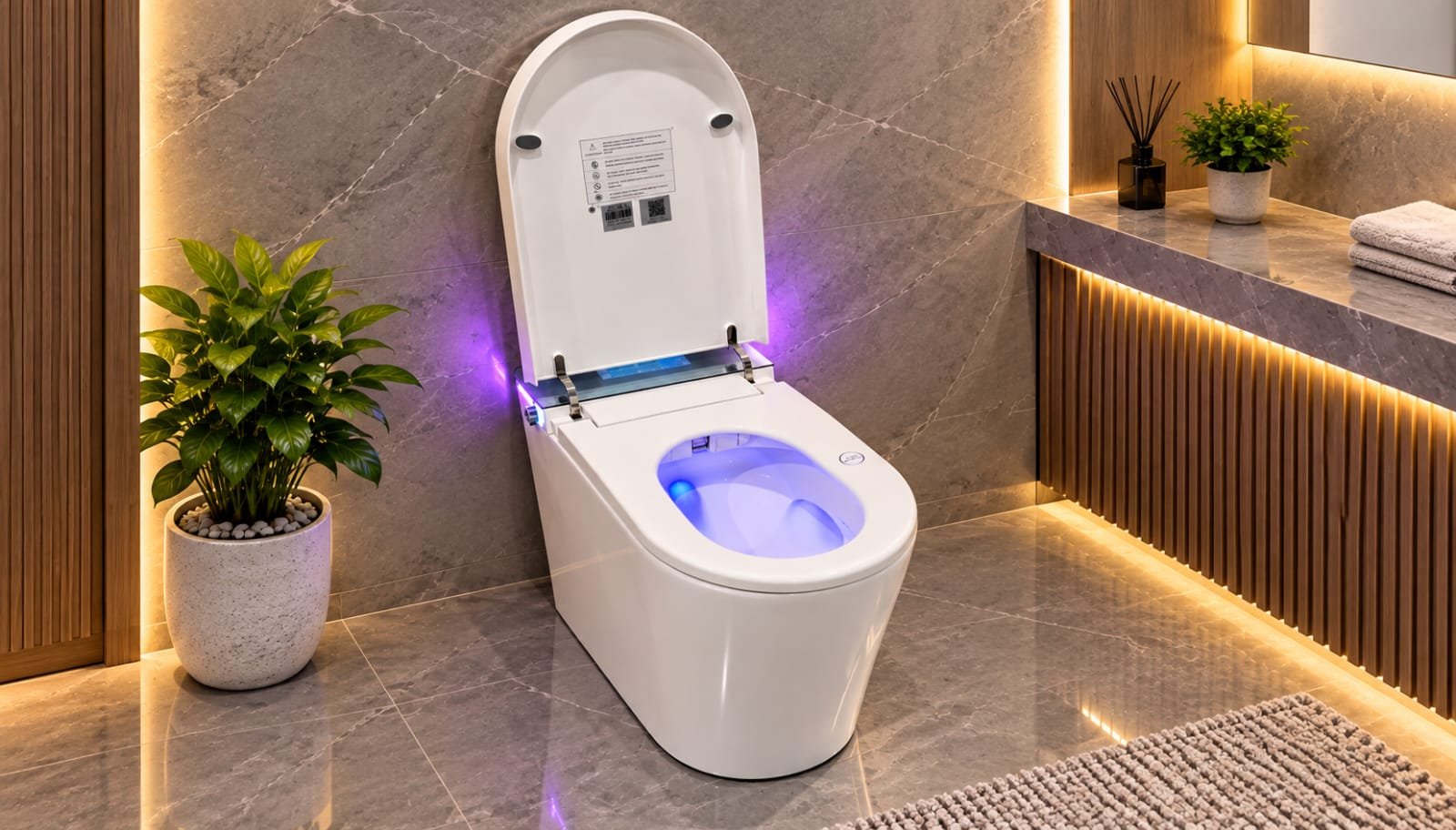
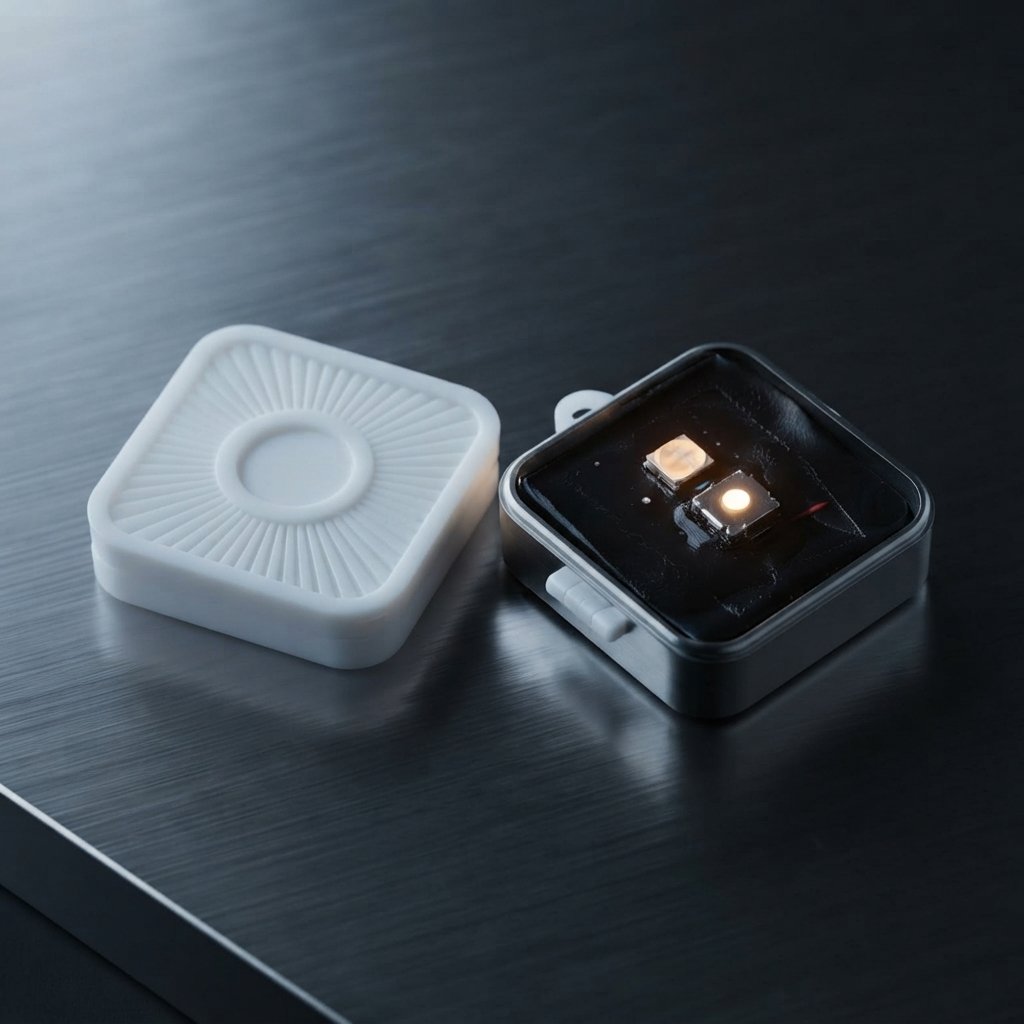
Projects are under NDA, so we show what we built, not who for. The Smart Pendant also appears on our wearable device development page, and the Day & Date Clock on our smart home product development page.
How it runs
From idea to first production run
- 01FeasibilityRules, target cost and test plan, with a fixed quote.
- 02Prototype (EVT)Working alarms tested with older users and carers.
- 03Test and certify (DVT)Alert, battery, water and safety tests.
- 04Production (PVT)A pilot run, then volume with alarm and battery test records.
Services we use
The teams behind every assistive device
What clients say
He helped me understand what’s possible with a smart necklace
Just what was promised – product was of good quality and delivered on time
FAQ
Assistive technology questions founders ask us
Do bed and chair alarms prevent falls?
No. They alert a carer that someone is getting up. A large hospital trial found more alarm use did not reduce falls. We design alarms to cut false alerts, so carers keep trusting them.
Is a wheelchair or bed exit alarm a medical device?
In the US, often yes, if it is sold for medical use. The FDA lists bed and chair exit alarms as Class I, exempt from 510(k), and wheelchair accessories as Class I. Class I still brings registration, listing and labelling rules.
Is a personal alarm or SOS pendant a medical device in the UK?
Usually not. The UK regulator lists personal alarm systems, including fall alarms, as aids for daily living. A medical claim, such as monitoring a condition, changes that.
What standards apply to a telecare or medical alert device?
In Europe, the EN 50134 social alarm series. In the UK, BS 8521-2 for digital signalling. In North America, UL 1637 for home health signalling units. Radios also need FCC or RED approval.
What happens to old alarm units when landlines switch off?
Analogue units may stop working, and UK analogue lines end in January 2027. New designs should use IP or cellular links, with a local sounder if the link drops.
How do you make a device older adults will actually use?
Big buttons, clear lights, tones older ears can hear and one-press actions. We test early samples with older users and carers, not just engineers. Comfort and looks matter too, because carers report pendants left in drawers.
How much does it cost to develop an assistive device?
It depends on radios, batteries, water exposure and whether it is a medical device. A feasibility study at $1,000 to $2,000 gives you a fixed price per stage, including the alarm, battery and water tests.
Related guides
Before you build
Free product call
Building a device that helps someone stay independent?
Book a free 30-minute product call. An engineer will tell you which rules apply, how the alert should reach a carer, what it takes to build and certify it, and what it should cost per unit.
Tell us about your idea
Share as much or as little as you like. An engineer reads every enquiry and replies within one business day, under NDA before you share details.