For founders and product teams building connected devices
IoT product design services for connected devices that work as one system
We design the whole connected product: the device and its firmware, the wireless connection, the companion app and the cloud behind it, with security and certification planned from the first schematic. One team builds and tests all of it together, so pairing, updates and data work the same way in a customer's home as on our bench.
NDA before you share anythingFixed price for each stage
- NDA from first contact
- 200+ products built
- Device, app and cloud in-house
- US company in Toledo, Ohio
The short answer
What are IoT product design services?
IoT product design is the engineering of a physical product that connects to the internet or to a phone: the electronics and firmware inside the device, the radio it talks through, the app people use, and the cloud service that stores data and sends updates. A design service plans and builds those parts so they behave as one product, then prepares it for certification and manufacturing. For the full build sequence, read our guide to the IoT product development process.
- DeviceElectronics, firmware and enclosure.
- ConnectionThe radio and protocol that carry the data.
- App and cloudWhere people control it and data lives.
What we design
Every layer of a connected product
Our team designs and builds each layer, including the app and the cloud. Where a layer has its own specialist page or guide, the card links to it.
Device electronics and firmware
The board, sensors, power and the code that runs on the device.
Wireless connectivity
Bluetooth LE, Wi-Fi, cellular or LoRaWAN, chosen for range, power and cost.
Companion mobile app
iOS and Android apps for pairing, setup, controls and the data people want to see.
Cloud backend and dashboards
Device data storage, user accounts, admin dashboards and the service that sends updates.
Security, provisioning and updates
Unique device identity, encrypted links and over-the-air updates that can roll back safely.
Industrial design and enclosure
A housing designed around the board, battery and antenna, so the radio still performs inside it.
Integration
Where connected products usually break, and how we test for it
Each part can pass its own tests and the product can still fail at home. We test these four points with device, app and cloud running together.
Pairing and setup
A first-time setup that works on real phones and home networks, not just the developer's.
One data model
The device, app and cloud agree on what each reading means, its units and how often it is sent.
Offline behavior
What the product still does when Wi-Fi or signal drops, and how it catches up afterwards.
Safe updates
Firmware updates that verify before they switch, and roll back if anything fails.
Early decisions
Three IoT decisions we settle before design starts
Each one changes the chip, the battery, the running cost or the paperwork, so we decide them during feasibility.
Pre-certified module or a custom radio?
We prefer a pre-certified wireless module when it meets the requirements. It shortens the path to market, but it does not automatically remove all testing obligations for the finished product.
Process on the device or in the cloud?
Some features are cheaper and more private on the chip; others need the cloud. The split changes the chip, the battery and the monthly running cost.
Which security rules apply where you sell?
Connected products now face security law, such as the EU Cyber Resilience Act. Identity, update and data choices made early decide how hard compliance is later.
How we work
Six stages, each approved before the next
Our engineers review every stage internally, then you approve it before we move on, with progress presentations along the way.
Feasibility
We check the product can work as intended, including range, battery life and what must run on the device.
Requirements
You approve the requirements, deliverables, exclusions, payment milestones and acceptance criteria.
Device prototype
Board, firmware and enclosure for a working device, tested on the bench.
App and cloud
The companion app and backend built against the same data model as the firmware.
Integration testing
The whole system tested together: pairing, data flow, updates and offline behavior.
Certification and production
Preparation for lab testing and the production package for your manufacturer.
Want each stage explained in depth? Read the IoT product development process.
Your budget
What drives the cost of an IoT product
- Number of radiosBluetooth alone is simpler than Bluetooth plus Wi-Fi or cellular
- App platformsiOS, Android or both, and how much the app does
- Cloud scopeFrom simple data logging to user accounts, dashboards and fleet updates
- CertificationWhich markets and radios need lab testing
- Hardware noveltyNew mechanisms and several interacting systems take more engineering
We quote a fixed price for a clearly defined scope after feasibility. For a first rough figure, try the hardware cost and timeline estimator.
From our own projects
Typical time and lab costs
- First prototypeAbout 4 months for a typical product; 6 to 7 months for complex ones
- Mass-production stageAround 7 months; 10 months to a year for complex products
- FCC and RoHS lab workExternal lab costs have sometimes been about USD 2,000, completed in around 20 days
- Pricing modelFixed price for a clearly defined scope; out-of-scope work is quoted separately
Timelines are typical planning ranges, not the time to a first saleable unit. The lab figure covers the FCC and RoHS work discussed only; actual cost and duration depend on the product, test scope and laboratory, and can be higher or longer. It is not a complete client price and does not apply to CE, UKCA, UL or medical-device certification.
Choosing a team
Two vendors or one IoT product team?
Many connected products are split between a hardware firm and a separate app agency. Here is what changes when one team owns all of it.
| Compare | Hardware firm plus app agency | One IoT product team |
|---|---|---|
| Who builds what | A hardware firm builds the device; a separate agency builds the app and cloud | One team builds device, firmware, app and cloud |
| Data format | Agreed between two vendors, often late | Defined once and shared by firmware, app and backend |
| When problems surface | Often at integration, when each side says its part works | In joint testing from the first working prototype |
| Who you call | Two or more vendors | One project lead, with your approval at each stage |
Our own work
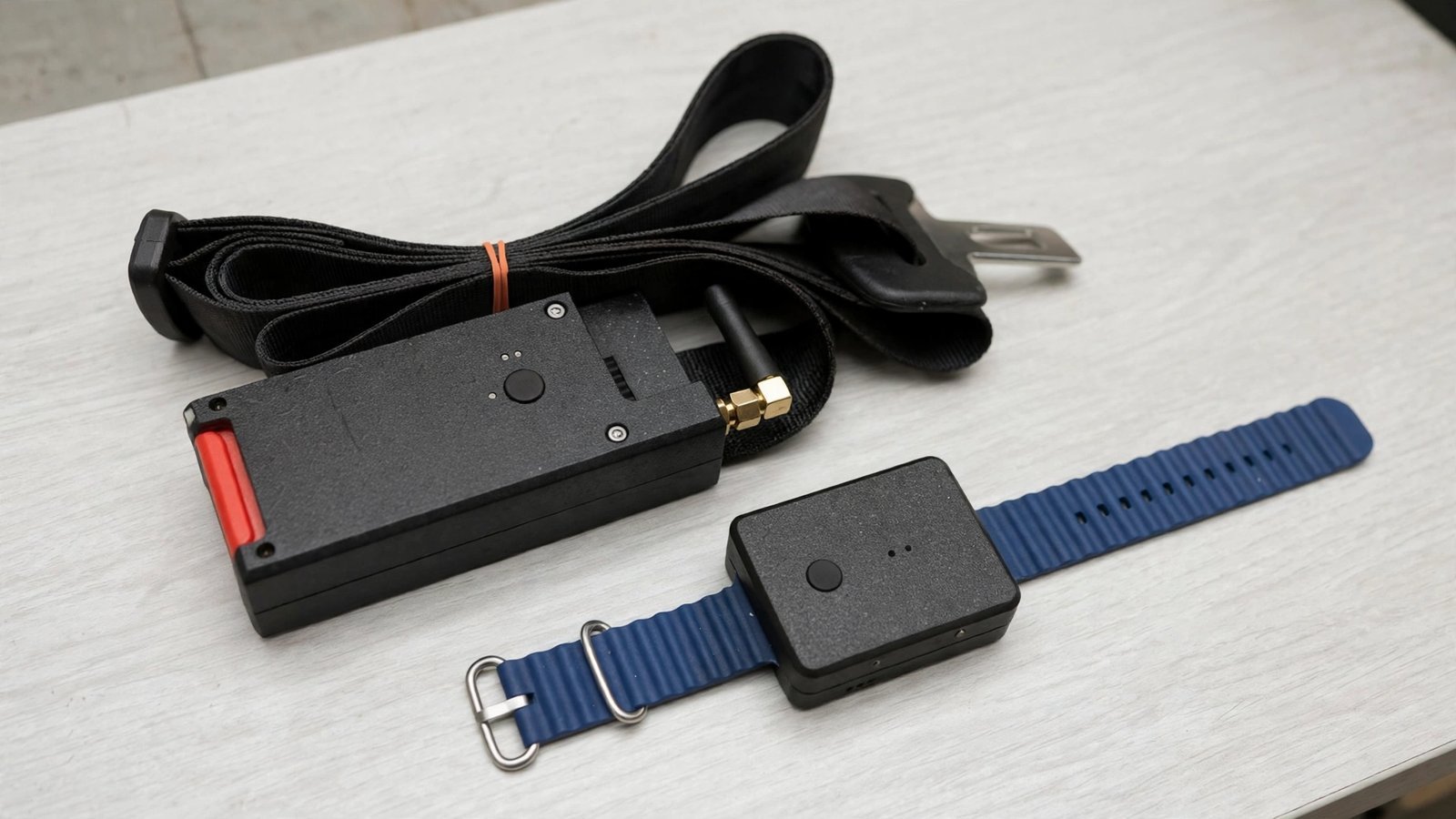
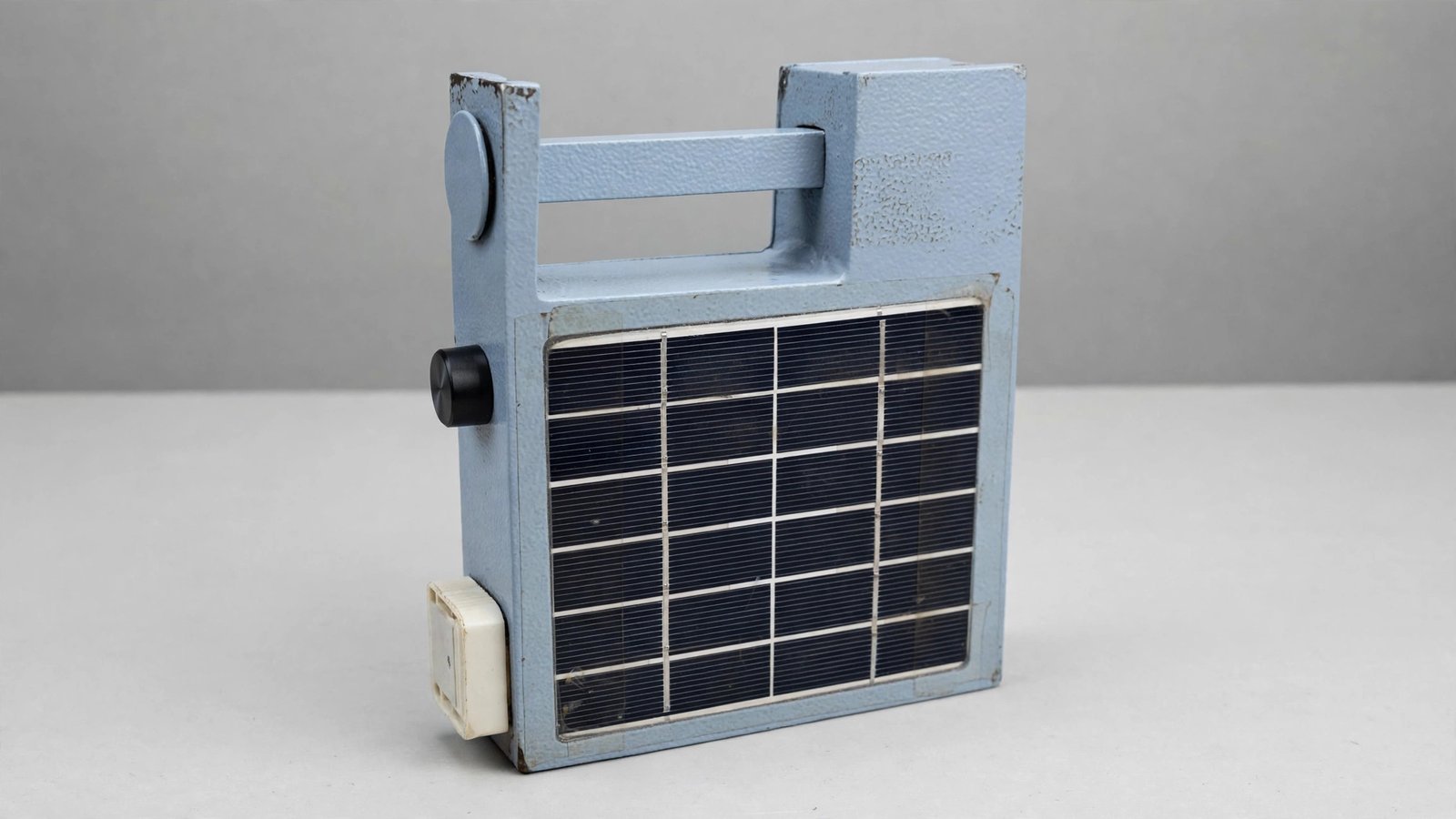
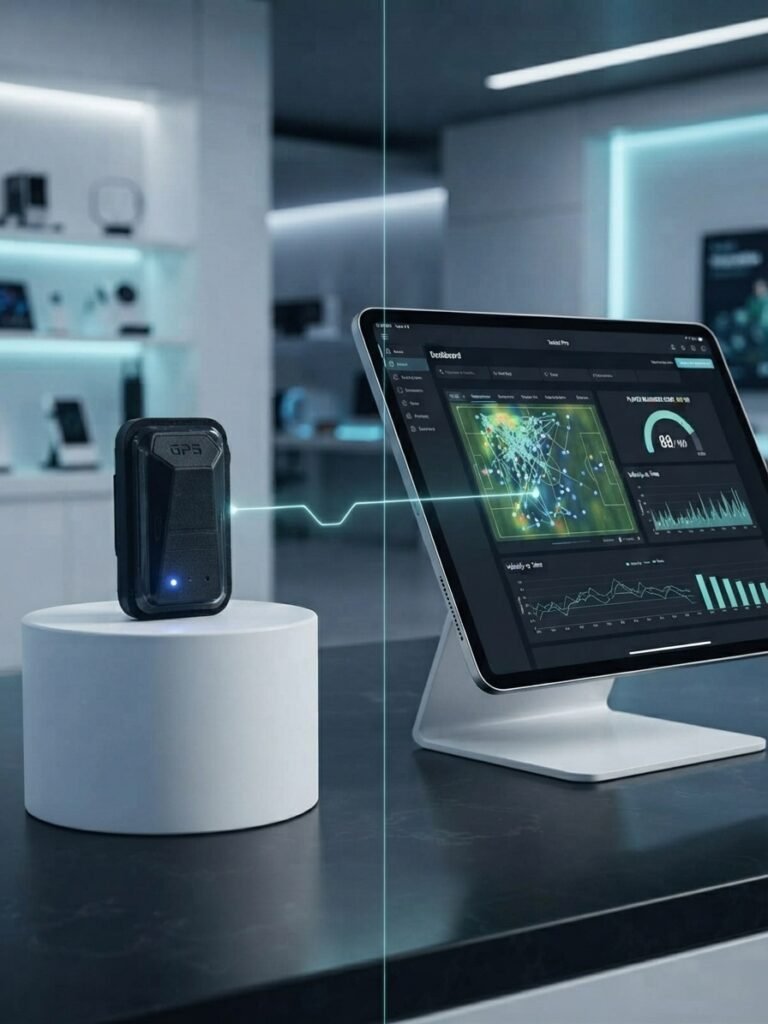
Connected products we've built
Our experience spans diverse product niches.
What clients say
Their team delivered top-notch electronic product development expertise, exceeding my expectations.
they always deliver what is expected and work with me on smoothing out any details.
Industries
Industries we build for
Connected products we've designed, by industry.
FAQ
IoT product design questions
What do IoT product design services include?
They cover the device electronics and firmware, the wireless connection, the companion app, the cloud backend, security and update design, enclosure design, testing of the whole system, and preparation for certification and production. Which parts you need depends on the agreed scope.
Do you build the mobile app and the cloud backend too?
Yes. Our team builds the companion app and the cloud backend alongside the device and firmware, so all three use the same data model and are tested together.
How long does it take to develop an IoT product?
For a typical product, about four months to the first prototype and around seven months to reach the mass-production stage. Complex products may take six to seven months for the first prototype and ten months to a year to reach mass production. These are typical planning ranges, not the time to a first saleable unit.
Which connectivity should my product use?
It depends on range, battery life, data volume and where the product is used. Bluetooth LE suits phone-paired devices, Wi-Fi suits mains-powered home products, cellular suits products that move, and LoRaWAN suits long-range, low-data sensors. We settle this during feasibility.
Does my IoT device need FCC certification?
Products with radios sold in the US generally need FCC authorization. A pre-certified wireless module reduces the work but does not automatically remove all testing obligations for the finished product. Formal testing is done by an external laboratory as a separate activity.
How do you handle IoT security?
We plan device identity, encrypted communication, safe over-the-air updates and data minimization from the start, because these choices are built into the hardware, firmware and backend and are hard to add later.
Do I need a full specification before contacting you?
No. Clients do not need to arrive with a complete engineering specification. We turn what the product must do into requirements you approve before full development.
What does an IoT product cost to develop?
It depends on the radios, app platforms, cloud scope, certifications and how novel the hardware is. We offer a fixed price for a clearly defined scope after feasibility. For a first rough figure, try our hardware cost and timeline estimator.