For product teams and founders building smart devices
Embedded hardware design services for the electronics inside your product
We design the electronic system your product runs on: the architecture, the microcontroller and sensors, power and radio, the circuit board and the firmware that brings it up, then test it on real hardware. One engineering team coordinates every part, so the board and the code are built to work together.
- NDA from first contact
- 200+ products built
- 12+ years in hardware
- US company in Toledo, Ohio
The short answer
What are embedded hardware design services?
Embedded hardware design is the engineering of the dedicated electronics inside a product: choosing the processor, sensors, power and wireless parts, connecting them in a schematic, laying out the circuit board, and bringing it up with firmware until it does its job reliably. A design service does that work for you, from the first block diagram to files a factory can build. For a deeper walk-through of the engineering itself, read our practical guide to embedded system design.
- ArchitectureWhich processor, sensors, power and radio, and how they connect.
- BoardThe schematic and circuit board that carry the system.
- Bring-upFirmware and testing that prove the hardware works.
What we design
Every part of the electronic system, coordinated
We handle product design and development in-house. Each discipline has its own specialist page; this is how they fit together on one project.
System architecture
Block diagram, processor choice, interfaces and power budget, agreed before detailed design starts.
Electronics and PCB design
Schematic, parts, layout and the factory files for the board.
Embedded firmware
The code that runs on the board, from drivers to updates.
Connected and IoT devices
Bluetooth, Wi-Fi and cellular products that talk to an app or the cloud.
Enclosure fit
The housing designed around the board, its battery and its antenna.
Prototypes and testing
Boards built, assembled into a working unit and tested before the next step.
Early decisions
Three system decisions we help you get right
These choices shape cost, size and testing for the rest of the project, so we settle them during architecture.
Off-the-shelf module or a custom board?
A module is often the faster, lower-risk start. A custom board can make sense when size, power, cost per unit or performance demands it. Volume alone does not determine the choice.
Pre-certified radio or a custom one?
We prefer a pre-certified wireless module when it meets the requirements. It reduces work, but it does not automatically remove all testing obligations for the finished product.
Does it need connectivity at all?
We advise against connectivity that adds cost and complexity without solving a meaningful user problem. Validate the core function first, then add the connection it really needs.
How we work
Five stages, each approved before the next
At every stage the engineers responsible for electronics, firmware and mechanical work review the design internally, then you approve it before we move on. We also share progress presentations during development.
Technical feasibility
We check whether the product can work as intended and where the biggest risks sit. Feasibility is not a guarantee, but it tells you what to test first.
Requirements and scope
You approve the requirements, deliverables, exclusions, payment milestones and acceptance criteria before full development starts.
Architecture and design
Block diagram, parts, schematic and PCB layout, with the firmware planned alongside the board.
Prototype build and test
Boards are fabricated and assembled, the firmware is brought up, and the unit is tested and iterated.
Production preparation
The production package appropriate to your product and agreed scope, plus support with factory questions.
Want the full industry picture, from concept to end of life? Read the embedded product development life cycle.
Cost and time, from our own projects
What a project takes
- First prototypeAbout 4 months for a typical product; 6 to 7 months for complex ones
- Mass-production stageAround 7 months; 10 months to a year for complex products
- Development feeAbout USD 8,000 to 30,000 across our recent projects (working estimates, not a calculated median)
- Board iterationsUsually two PCB development iterations; four or five on complex projects
- Pricing modelFixed price for a clearly defined scope; out-of-scope work is quoted separately
Timelines are typical planning ranges, not the time to a first saleable unit. The fee range is not the cost of reaching production or launch. For a rough figure for your own product, try the hardware cost and timeline estimator.
Where a first prototype budget goes
How the effort splits
What moves the effort
- New mechanismsMore engineering
- Several interacting systemsMore engineering
- Unique featuresMore engineering
- Established functionsLess engineering
Includes materials, labor charges and operating expenses for the first prototype. Shipping and taxes are excluded. The 20% for testing and other activities is combined; mechanical work, certification and manufacturing transfer are not separately measured.
What you receive
Engineering deliverables, not just a demo
You get usable engineering output at each stage, and a production package appropriate to the product and agreed scope. Source files are not automatically included in every engagement; their delivery depends on the agreed scope, which we set out in the proposal.
- Design filesSchematics, PCB layout, Gerbers and the bill of materials
- Firmware buildsTested builds for the prototype hardware
- Test resultsWhat was tested, how, and what it showed
Choosing a team
In-house, freelancer or a design partner?
Each option fits a different situation. If you only need one PCB update, an individual specialist may be the better choice.
| Compare | In-house engineer | Freelancer | Embedded design partner |
|---|---|---|---|
| Best for | Ongoing products with steady engineering work | One well-defined task, such as a single PCB update | A coordinated product: board, firmware and enclosure together |
| Disciplines covered | Whoever you hire | Usually one | Electronics, PCB, firmware and mechanical engineers reviewing each stage |
| Who coordinates | You | You | The design team, with your approval at each stage |
| Cost structure | Salaries and tools, ongoing | Hourly or per task | Fixed price for a defined scope |
Our own work
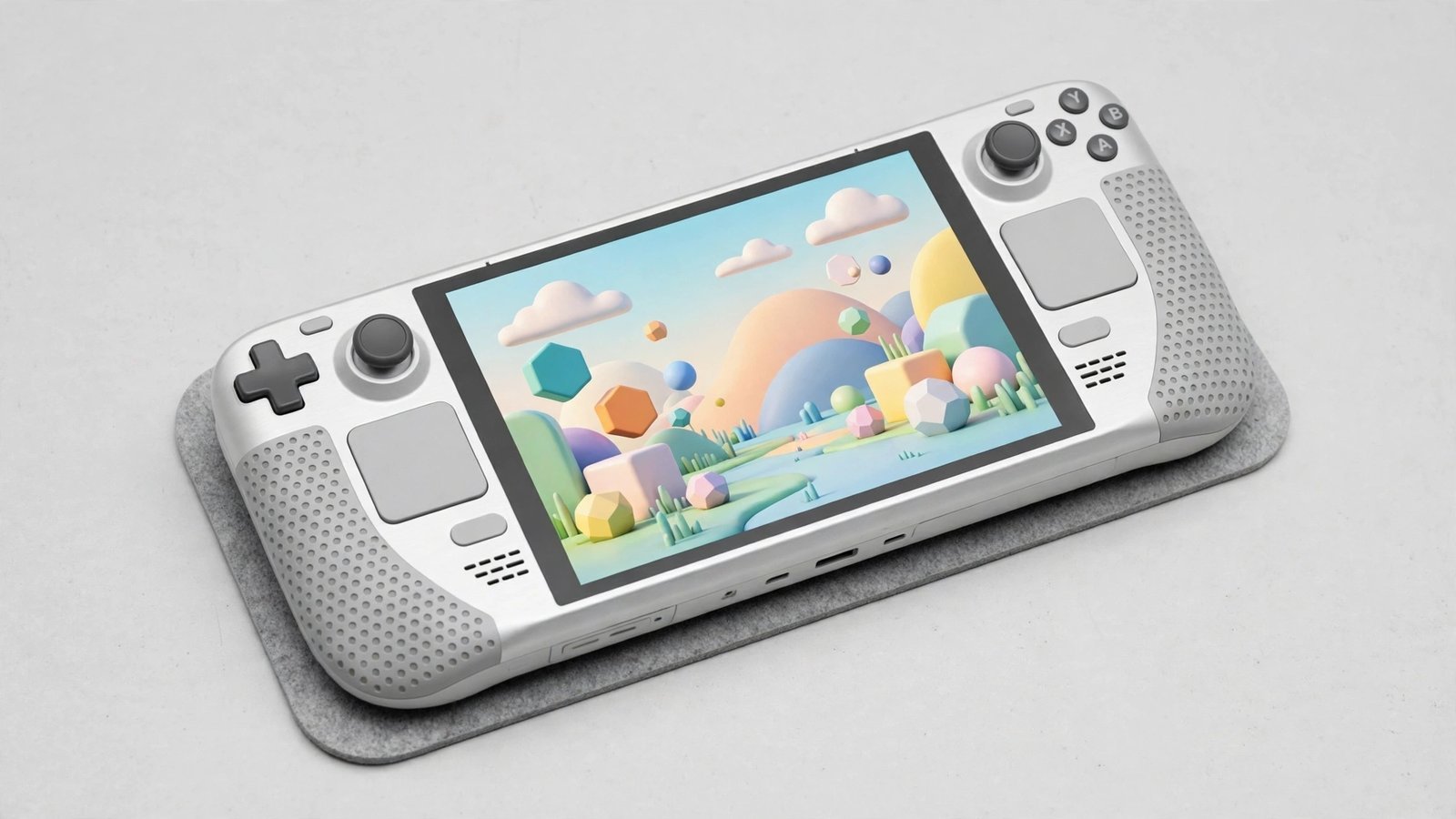
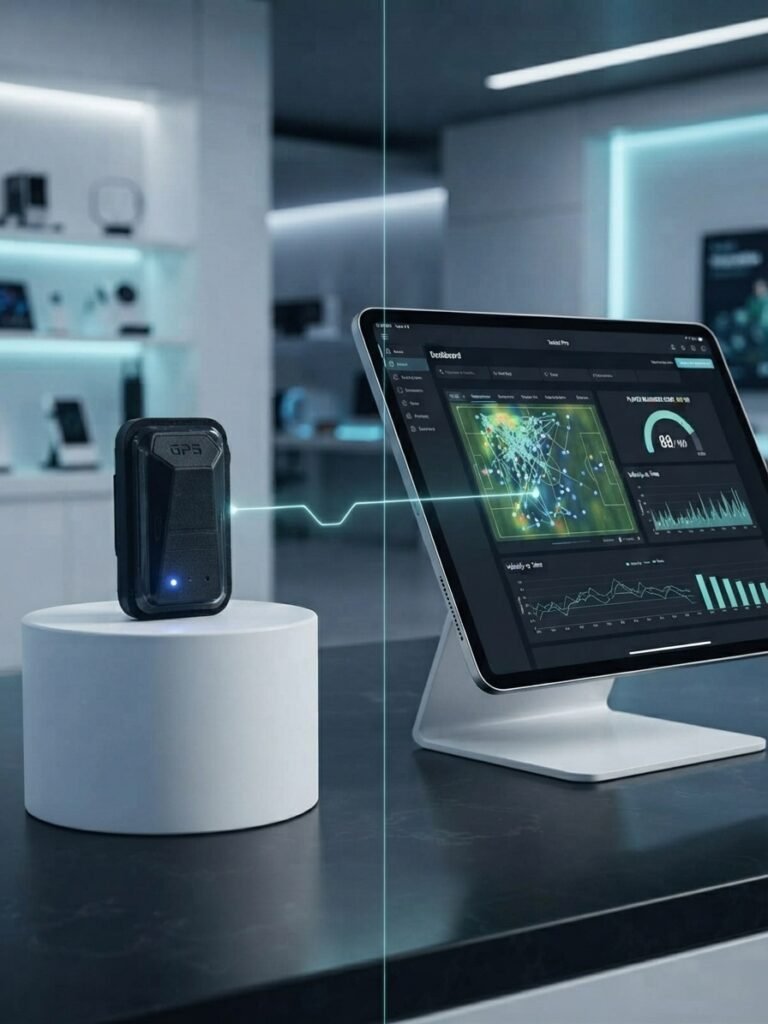
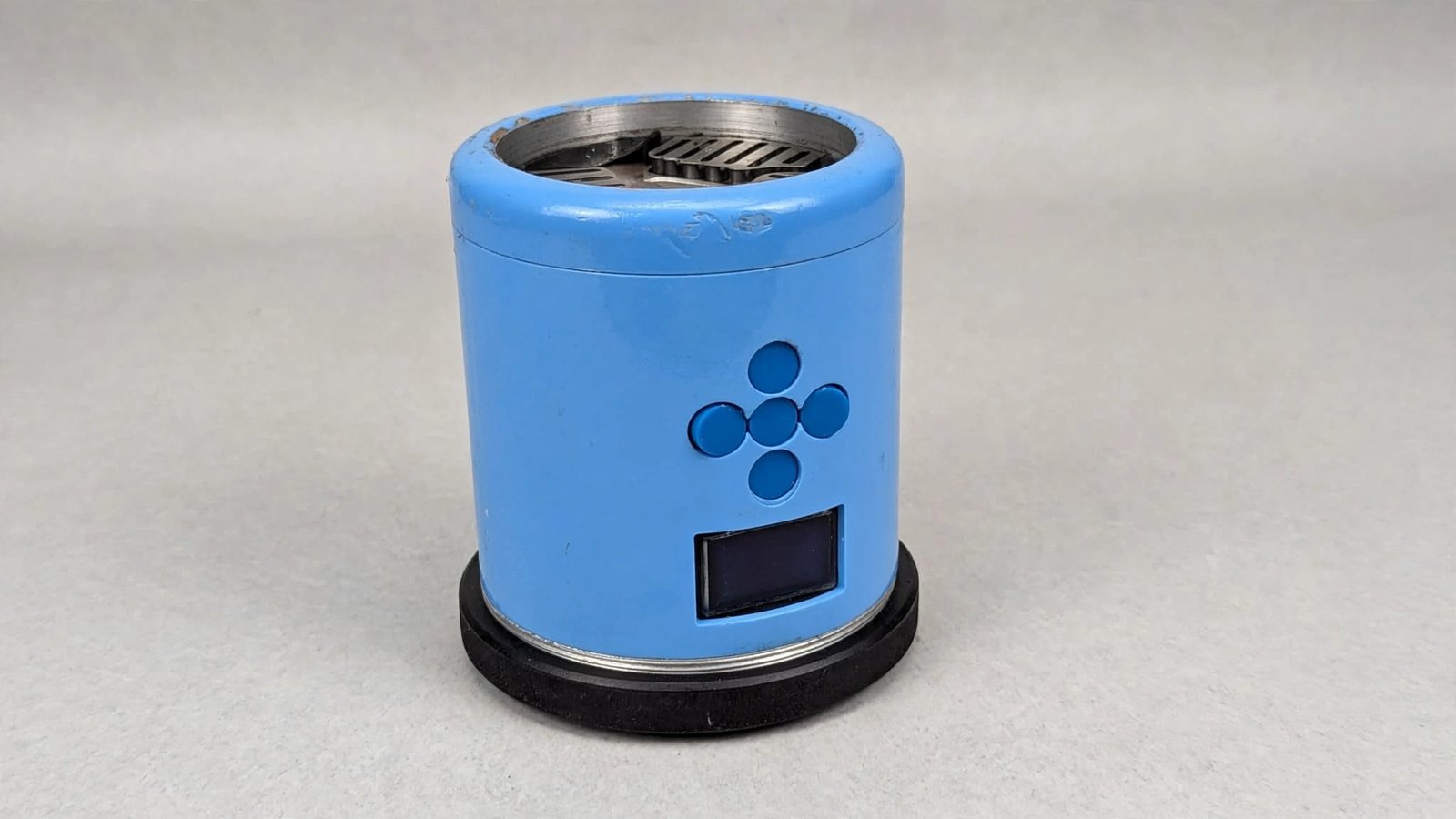
Embedded products we've built
Our experience spans diverse product niches.

What clients say
Their team delivered top-notch electronic product development expertise, exceeding my expectations.
they always deliver what is expected and work with me on smoothing out any details.
Industries
Industries we build for
Embedded electronics we've designed, by industry.
FAQ
Embedded hardware design questions
What do embedded hardware design services include?
They cover the electronic system inside your product: architecture and block diagram, processor and part selection, schematic, PCB layout, firmware bring-up, prototype assembly and testing, and preparation for production. Which of those you need depends on the agreed scope.
How much does embedded hardware design cost?
In our recent projects the development fee has usually been about USD 8,000 to 30,000. These are working estimates rather than a calculated median, and they are not the cost of reaching production or launch. Simple products with established functions cost less; new mechanisms and several interacting systems increase the effort. We offer a fixed price for a clearly defined scope.
How long does it take to get a first working prototype?
For a typical product, about four months to the first prototype and around seven months to reach the mass-production stage. Complex products may take six to seven months for the first prototype and ten months to a year to reach mass production. These are typical planning ranges, not the time to a first saleable unit.
Do I need a full specification before contacting you?
No. Clients do not need to arrive with a complete engineering specification. We need to understand what the product must do, who uses it, where it will be sold and any constraints you already know. We turn that into requirements you approve before full development.
Can you work with my existing board or firmware?
Yes. We can review an existing design and continue from it, or redesign the parts that hold the product back. For code that needs rescuing, see our embedded firmware development page.
Will my product pass FCC testing?
We plan for it from the start, for example by preferring pre-certified radio modules where they fit. Formal certification testing is a separate activity done by an external laboratory, and a pre-certified module does not automatically remove all testing obligations for the finished product.
Can you take my design to manufacturing?
We prepare the production package appropriate to your product and the agreed scope. When production is handled by our manufacturing partners, we retain responsibility for engineering coordination and design clarification, review initial samples and address discrepancies before scaling.
Who is embedded hardware design a good fit for?
It suits companies and founders who want coordinated product design and development. If you only need one PCB update or a small isolated change, an individual specialist may be more appropriate.
Related guides