
Everything you need before you commit to building it
Plain guides on cost, timelines, prototyping and the companies you will be choosing between. Written by the engineers who do the work.
Idea stage
27 guidesYou have the idea and need to know who can build it: what each kind of company does, how to choose and vet a partner, and how to protect the idea while you do.
The Non-Technical Founder’s Guide to Getting a Hardware Product Built
A non-technical founder’s real disadvantage in hardware development is verification, not engineering skill. Here is what to own directly, what to…
How to Turn an Invention Into a Product: The Six Stages
An invention becomes a product through six stages: feasibility, choosing a partner, prototype, testing and certification, design for manufacture, and…
I Have an Idea for a Product. What Do I Actually Do Next?
Filing a patent or finding a manufacturer feels like progress, but neither is the right first step. Here is the order that actually works…
Offshore vs Domestic Development Partner: Where Your Engineers Sit
Offshore vs domestic is about where your engineers sit, not where you manufacture. Here is what genuinely changes in cost, time zones, IP exposure…
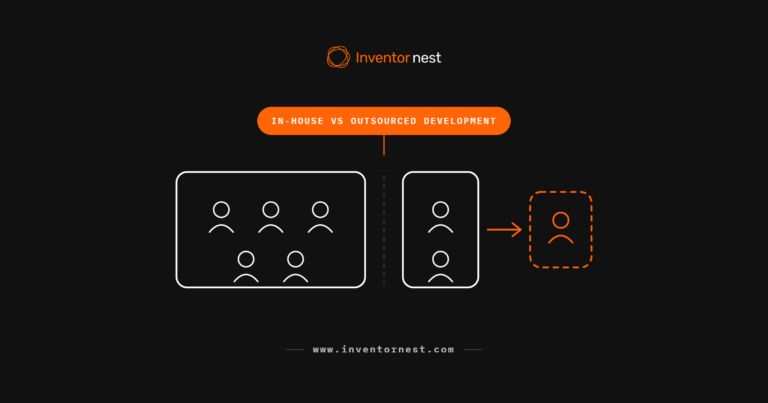
In-House vs Outsourced Product Development
In-house engineering carries fixed cost and takes months to build; outsourcing buys a full team on day one but keeps deep product knowledge outside…
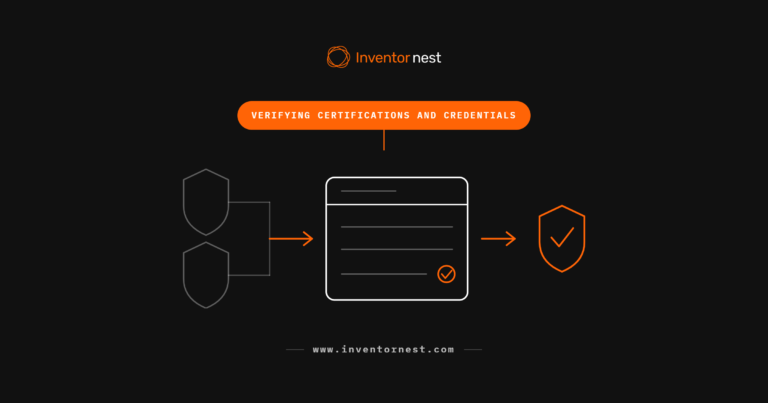
How to Verify a Development Partner’s Certifications and Credentials
ISO 9001 verifies how a firm manages its own quality system, not whether your product will pass FCC or UL testing. Here is how to check company…
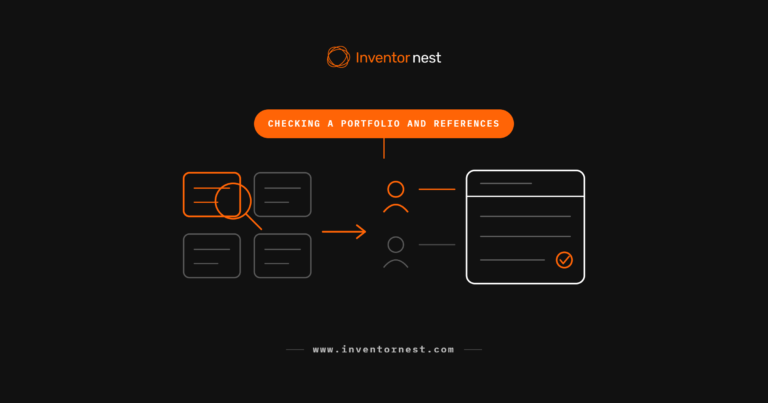
How to Check a Development Firm’s Portfolio and References
Renders, prototypes and shipped products look similar in a portfolio, but only one proves a firm can carry a design through production. Here is how…
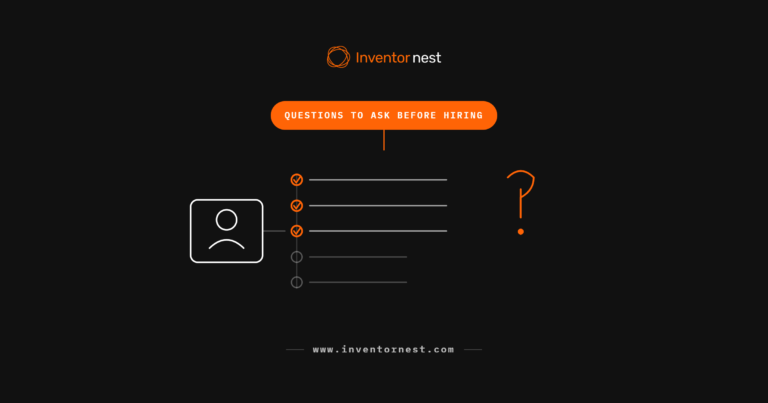
Questions to Ask Before Hiring a Hardware Development Company
Before hiring a hardware development company, ask about capability splits, stage gates, NRE costs and change orders, IP ownership, certifications…
Red Flags in a Product Development Partner
A red flag in a product development partner is a specific, repeated behavior, not a bad feeling. Here is what to watch for in how a firm sells, what…
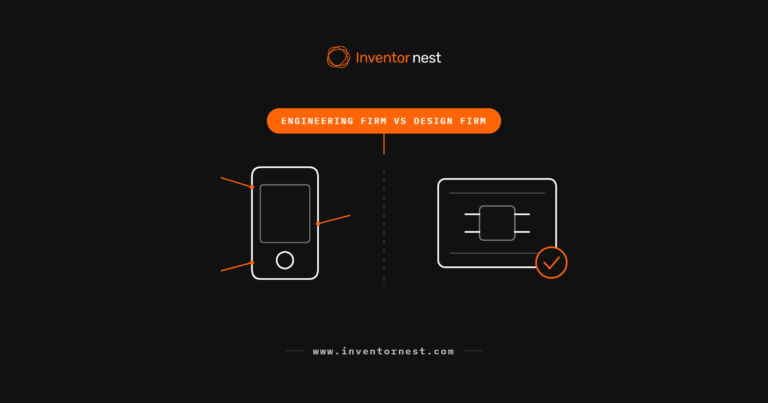
Engineering Firm vs Design Firm: Which One Does Your Product Need?
An engineering firm answers whether your product works and can be manufactured. A design firm answers whether people want to use it. Here is what…
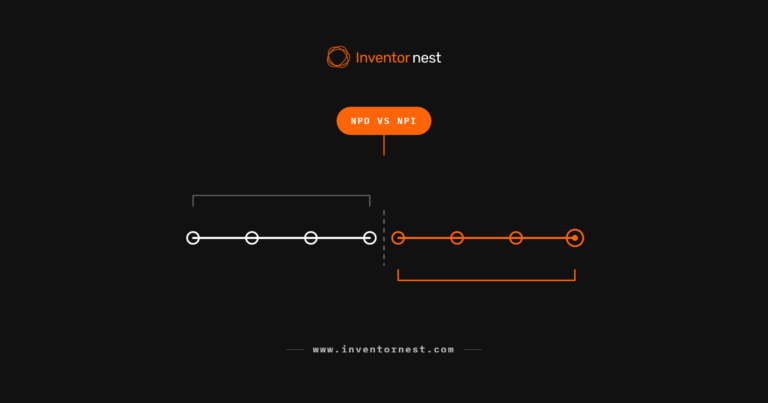
NPD vs NPI: New Product Development and New Product Introduction Compared
NPD makes a design that works. NPI makes that design buildable repeatedly at volume. Neither term is standardized, which is why two vendors can claim…
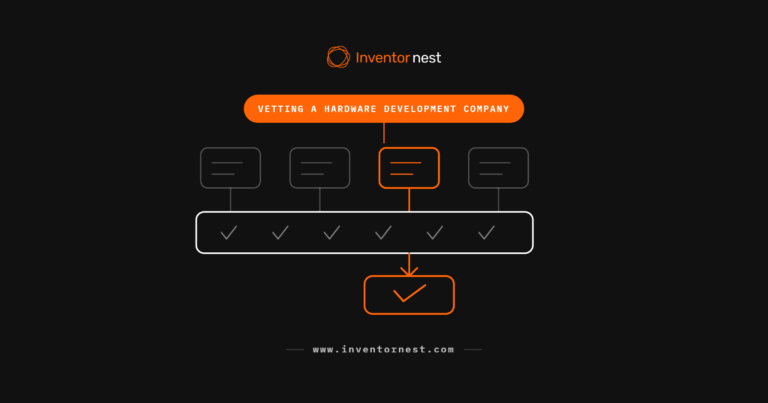
How to Vet a Hardware Development Company Before You Sign
Vetting a hardware development company means separating what public records can confirm from what only appears in a sales deck. Here are six stages…
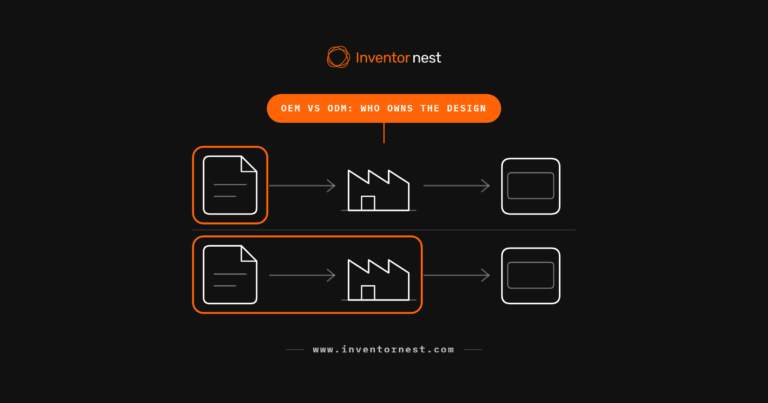
OEM vs ODM: Who Owns the Design and Why It Decides Everything
OEM means your design built to your documentation. ODM means their design badged as yours. That single difference decides who holds the…
Invention Marketing Companies: How the Model Works and What to Check
An invention marketing company is paid to sell your idea, not to build it. Here is how the licensing model works, the five disclosures federal law…
What Is a Vertically Integrated Product Development Company?
A vertically integrated product development company performs the successive stages of bringing a product to market inside one organization. Here is…
OEM vs ODM vs EMS: Which Type of Partner Do You Actually Need?
Pick an OEM arrangement when the design still has to be created, an ODM when you want a proven design adapted to your brand, and an EMS when your…
How to Choose a Hardware Product Development Partner
Choosing a hardware development partner is five decisions: the category of company, the fit to your stage, the shortlist, what you verify before…
What Is a Product Development Firm? Inside the ESO Model
A product development firm designs and engineers your product, then hands over documentation. It does not manufacture. Here is what the engagement…
What Is a JDM? Joint Development Manufacturing Explained
A JDM co-develops your product because you bring engineers too, which is what separates it from an ODM or a development firm. Here is how the model…
What Does an Industrial Design Studio Actually Do?
An industrial design studio owns form, ergonomics and CMF, and hands over renders, appearance models and control drawings. It does not deliver…
Types of Product Development and Manufacturing Companies Explained
Product development companies split three ways: firms that design but do not build, firms that build but do not design, and firms that do both. Here…
What Is an EMS Company? EMS, CEM, and CM Explained
An EMS company builds electronic products to your documentation. It does not design them. Here is what EMS, CEM and CM really mean, the exact…
What Is an ODM? Reference Designs and What You Actually Own
An ODM already owns a working design and adapts it for your brand. That makes it the fastest route to a shipping product, and the reason you usually…
Who Can Help Me Build My Product Idea?
Four kinds of people can help you build a product idea, plus one category with a documented record of taking inventors’ money. Here is what each type…
What Is an OEM? The Two Meanings Founders Keep Confusing
OEM means two opposite things. In US procurement law and the EMS industry it is the brand; in Asian sourcing it is the factory. Here is which is…
What Is a Provisional Patent? A Founder’s Guide to Protecting Your Idea
A provisional patent application gives you a filing date for what you actually wrote down — not for your invention in general. Here’s what it…
Patent vs Prototype: What Comes First?
Patent or prototype first? It’s the wrong question. Building teaches you what to describe, and a patent only protects what you describe. The rule…
Feasibility and planning
7 guidesBefore anything gets built: will it work, what will it cost, how long will it take, and how should the deal be structured.
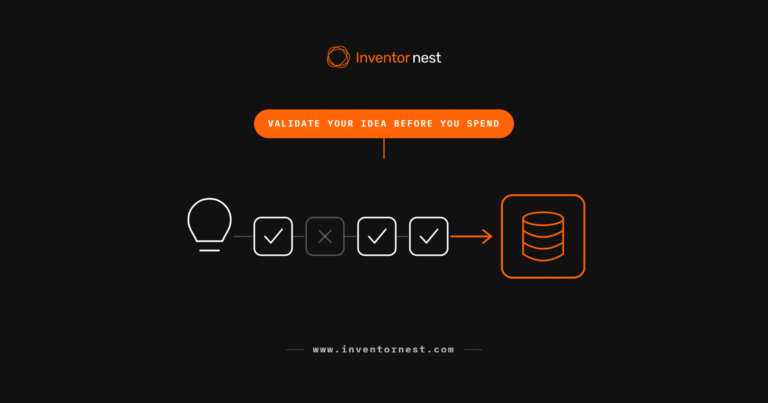
How to Validate a Hardware Product Idea Before You Spend Money
Validating a hardware idea means answering four questions with evidence: does it exist, will people pay, can it be built at a sane cost, and can you…
Fixed-Price vs Time and Materials for Hardware Projects
Fixed-price and time and materials bill hardware development differently and shift cost risk differently. Here is how each model actually works, the…
How to Compare Development Proposals and Quotes
Three quotes for the same hardware product can differ by multiples because each firm is pricing a different scope. Here is how to read a statement of…
Engagement Models for Hardware Development: How to Structure the Deal
Product development engagement models cover build-or-buy, vendor count, location, and pricing: fixed-price, time and materials, retainer, or hybrid…
How Long Does It Take to Develop a Hardware Product?
Hardware takes 12 to 18 months for a simple product, 18 to 30 for a connected one, and longer if it is regulated. Most of that calendar is queue, not…
How Much Does It Cost to Develop a Hardware Product?
Hardware product development costs roughly $75,000 to $300,000 through an outside firm. Here is the full breakdown by stage, discipline and…
What Is Product Feasibility Analysis and Why Does It Matter?
Product feasibility analysis asks whether your idea can actually be built, certified and sold at a profit — before tooling makes the answer…
Prototyping
5 guidesThe first physical builds. What a prototype proves, how to test it honestly, and the processes that make parts before tooling.
Urethane Casting and Vacuum Forming: Bridging the Gap Before Tooling
Urethane casting and vacuum forming bridge the gap between 3D printing and injection molding. Here is how each process works, realistic quantities…
What Is a Rapid Prototyping Shop? What Fab Shops Do and Do Not Deliver
A rapid prototyping shop builds exactly what your files specify and takes no responsibility for whether the design works. Here is what fab shops…
How 3D Printing Is Transforming Product Development
3D printing transformed prototyping, not manufacturing. Here’s what each process actually achieves, why a printed part doesn’t fit or behave like a…
Prototype Testing Checklist for Inventors
A prototype testing checklist is only useful if every line has a method, a threshold and a sample size. This one names the standards — MIL-STD-810…
Prototype vs MVP: What’s the Difference for Physical Products?
Prototype vs MVP for hardware: a prototype proves your product can be built, an MVP proves people will pay for it. Learn where each sits in the POC…
Manufacturing
15 guidesOnce the design is settled: where to manufacture, how parts and boards get made, and how to keep quality from drifting.
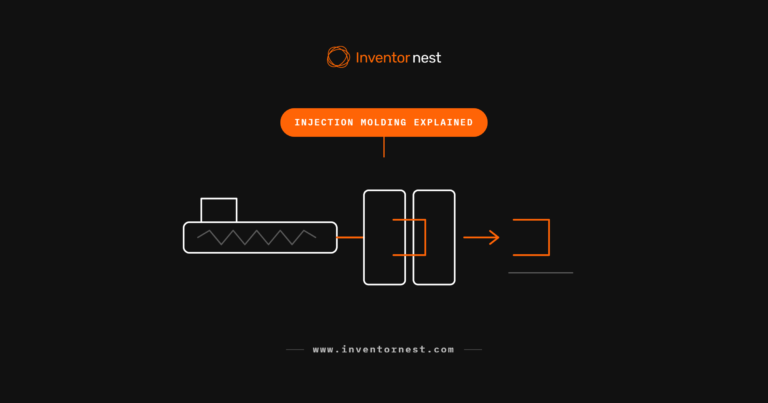
Injection Molding Explained: How Parts Are Actually Made
Injection molding works by melting plastic, injecting it into a steel mold, and cooling it into shape. Here is the mold anatomy, the draft angle and…
Working With an Overseas Hardware Supplier: What the Relationship Requires
Working with an overseas hardware supplier is an ongoing management job, not a one-time purchase. Here’s what written specs, time zones, trading…
Tariffs and Trade Policy in 2026: How They Change Your Manufacturing Math
Tariffs change your manufacturing math through classification and country of origin, not headline rates. Here’s how duty actually works, what changed…
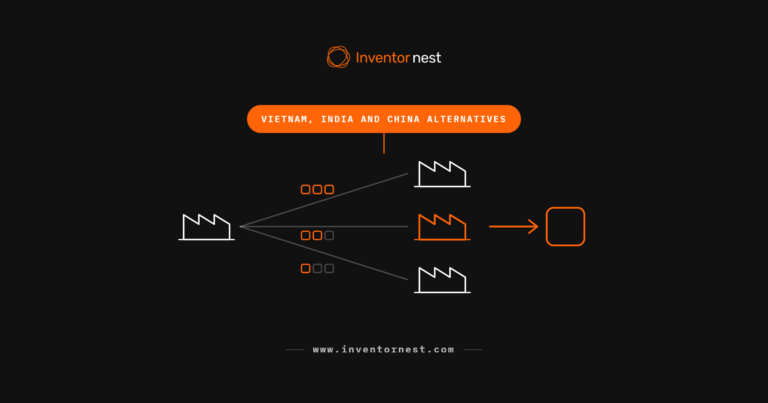
Hardware Product Manufacturing Alternatives to China: Vietnam and India Compared
Vietnam and India can absorb hardware assembly, but China’s component supply chain and tooling knowledge don’t move as easily. Here’s what genuinely…
Nearshoring to Mexico: How It Compares for Hardware Products
Nearshoring to Mexico sits between full offshore manufacturing and building domestically: faster and closer than Asia, cheaper than the US, but still…
Manufacturing in the USA: What It Really Costs and When It Wins
Domestic manufacturing usually costs more than offshore, but not always by as much as unit price suggests. Here is where the premium comes from, what…
Manufacturing in China: What It Still Does Better and What It Costs You
Manufacturing in China still offers the deepest component ecosystem and fastest tooling turnaround, at a landed cost that has shifted with tariffs…
Design for Manufacturing: When Manufacturing Decisions Have to Be Locked
Design for manufacturing decisions lock in order: material and process first, tooling once geometry freezes, components at BOM freeze. Here is why…
Quality Control in Manufacturing: How You Know What You Are Getting
Quality control in manufacturing means checking a production run at defined stages, not once at the end. Here is how AQL sampling, first article…
What Vertically Integrated Manufacturing Actually Means in Practice
Vertically integrated manufacturing means fewer separate companies stand between your design and a shipped unit. Here is what that changes about lead…
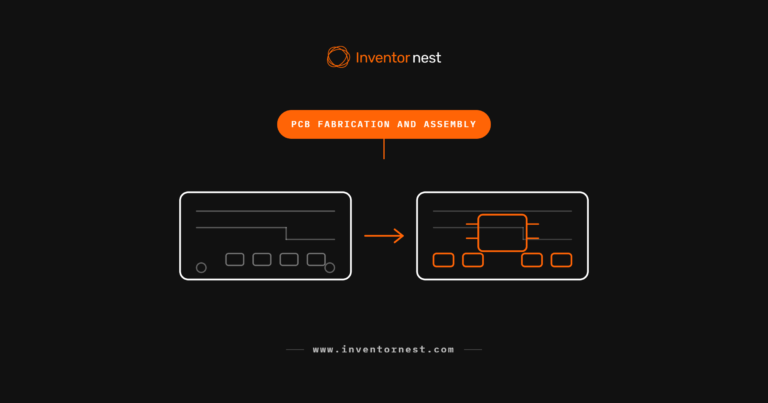
PCB Fabrication and Assembly: How Your Electronics Get Built
PCB fabrication and PCB assembly are two different industries, not one process. Here is what happens at each, the exact files a factory needs from…
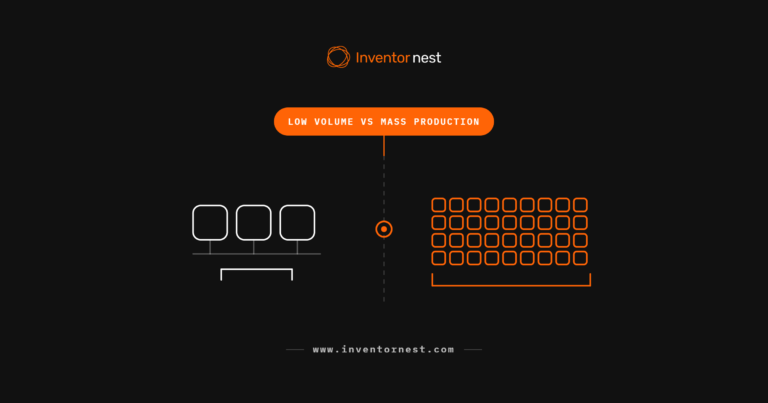
Low Volume vs Mass Production: When to Make the Switch
Low-volume runs keep design changes cheap; mass production locks in tooling for a fixed design. Here are the demand, design-stability and yield…
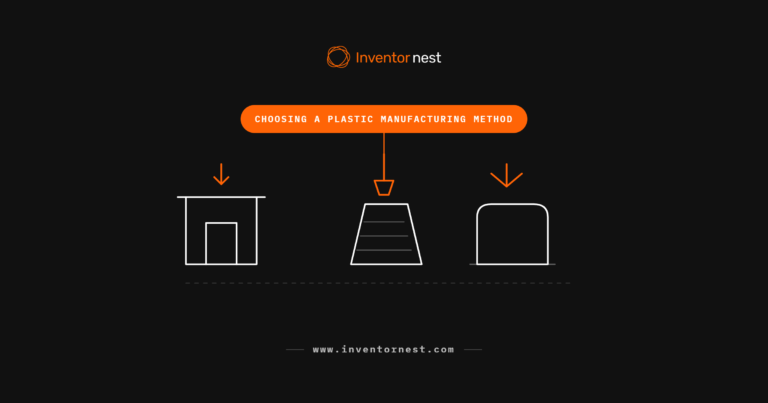
How Plastic Parts Get Made: Choosing a Manufacturing Method
Injection molding, 3D printing, urethane casting, CNC machining, and thermoforming each suit different volumes and geometries. Here is how to filter…
Where to Manufacture Your Product: The Complete Decision Guide
Hardware manufacturing location is four decisions, not one: material and process, year-one volume, geography, and vendor count. Here is the order to…
How to Find the Right Manufacturer for a Hardware Product
How to find and vet a manufacturer for a hardware product: the difference between OEM, ODM, EMS and CM, what MOQ really costs you, how to spot a…
Clear the filters, or tell us what you were looking for and we will write it.
Read enough. Tell us what you are building.
Thirty minutes with an engineer, not a salesperson. We will tell you which stage your product is at and what it would take to build.